Malaysia really stands true for its tourism slogan “Truly Asia” for being an abode of not just Malays and Indigenous communities, but also for the two biggest ethnic groups of the world – Indians and Chinese, a perfect microcosm of Asia. Last time on our way to Vietnam, I got a chance to spend couple of hours in Kuala Lumpur Airport but this is the time to explore Peninsular/West Malaysia which lies between Andaman Sea/Malacca Strait on the West and South China Sea on the East. A major nation lying in the centre of other ASEAN countries sharing land/maritime boundary with the most populous countries in the world.
Day 1:
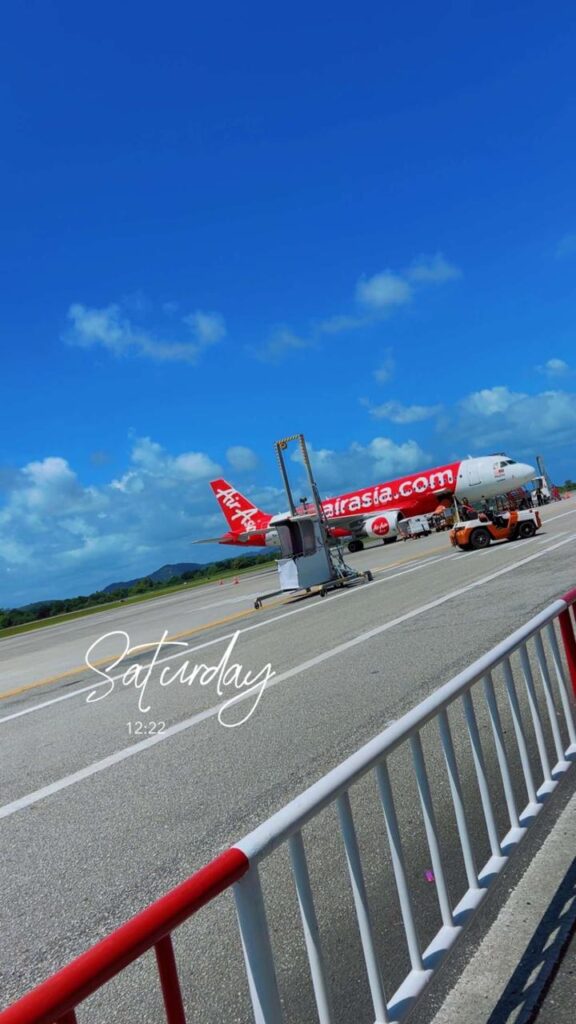
Our first destination Langkawi – the Jewel of Kedah and Island of the eagle is an archipelago comprising of 99 islands. It is very close to Thailand maritime boundary. An early morning direct flight from Bengaluru took us to Langkawi in 4 hours and we reached around 11 AM MYT. A breathtaking airport very close to the beach offers a glimpse of multiple islands during landing. Due to this airport not being a busy one, immigration has been pretty much smooth. A tourist SIM card at the airport costs just 16 Ringgits (~4 USD) with unlimited data and calls for 7 days.
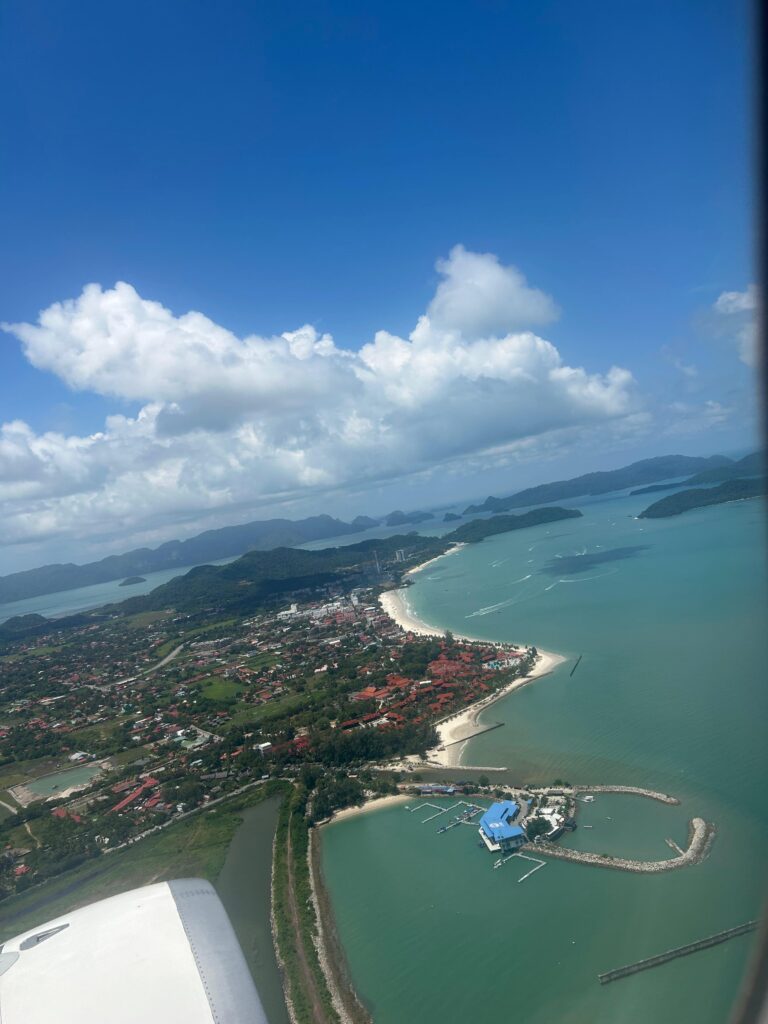
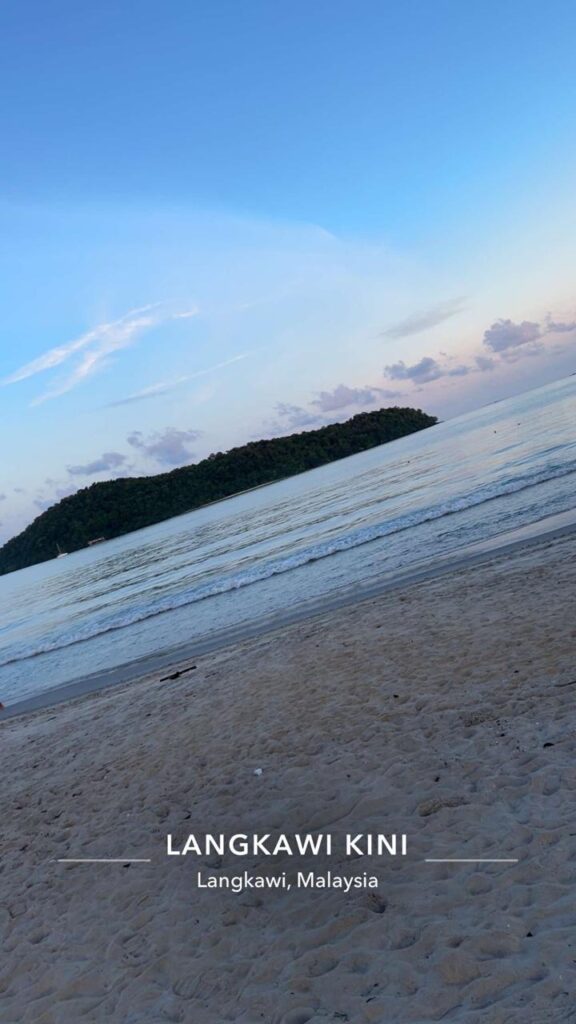
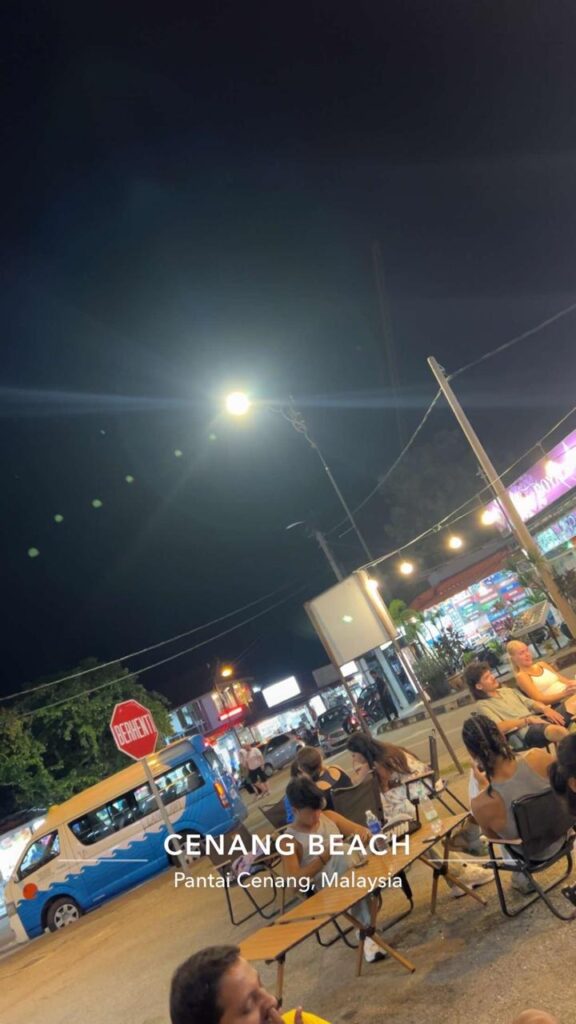
Our stay is close to the Pantai Cenang (Pantai – beach in Malay) which is known for its vibrant atmosphere. Yet some parts of the place are serene with fewer tourists. Langkawi as a whole looks like a bliss with lush green nature and blue sea, thanks to fewer settlements and population. We had lunch at an Indian restaurant but the flavours have a touch of Malay cuisine. I had Nasi Goreng which is nothing but fried rice with fried egg on top of it with slight Indian spice touch. It is a famous dish in Malaysia and its neighbour Indonesia. One undesirable thing about some hotels in Langkawi is you can check-in only at 3PM and have to check-out by 12PM. After rushing through the check-in and freshup, we got onto a sunset cruise.
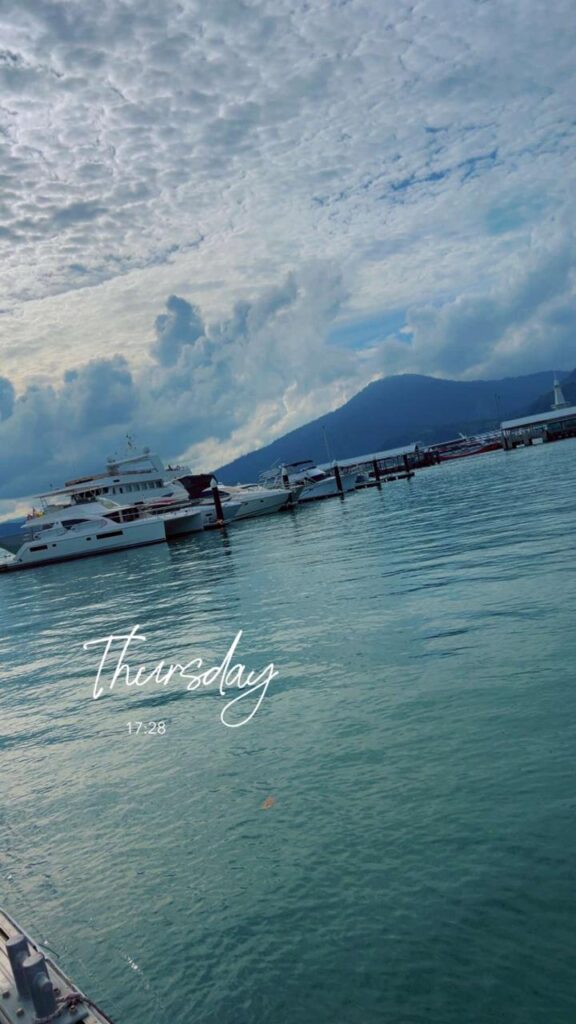
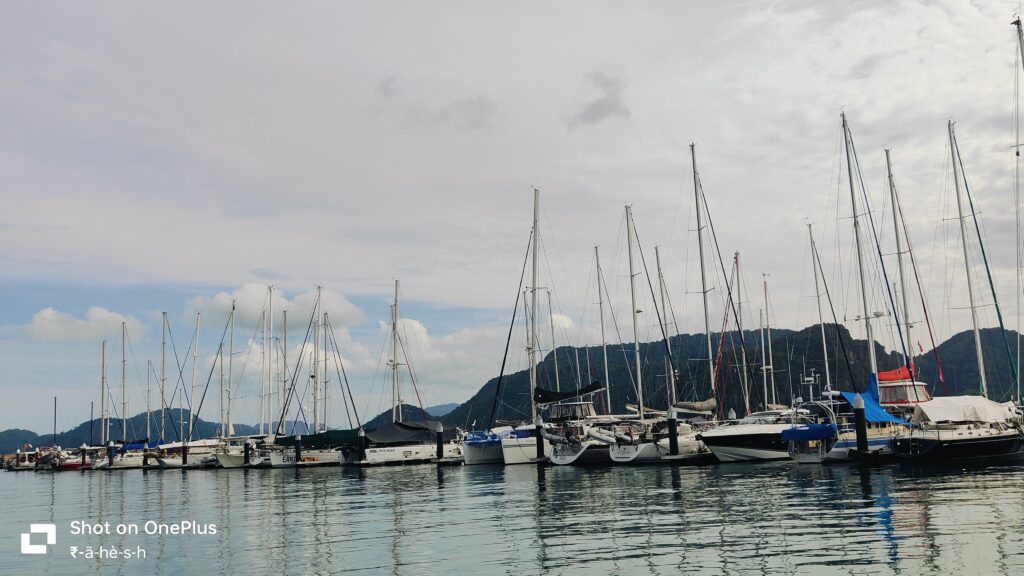
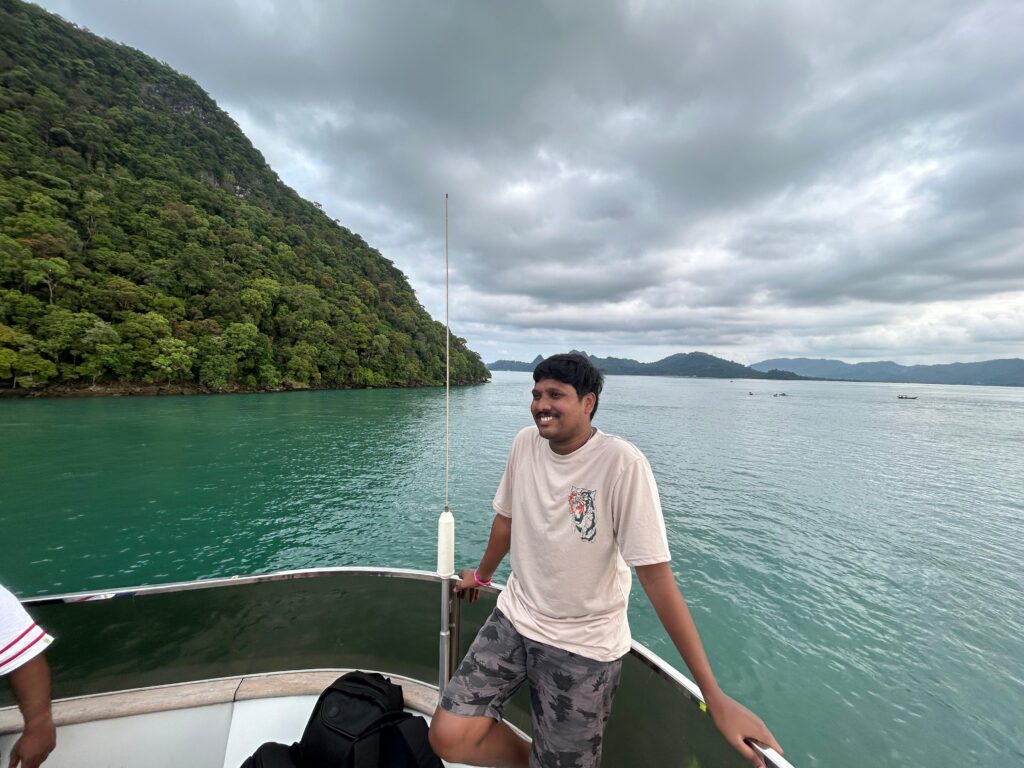
The cruise starts from the Eagle Square in Kuah (district capital of Langkawi), which is also the entry point for people coming through ferry from either mainland or other islands. Through the straits of Malacca, the cruise offers a splendid view of greenish-blue waters with orange hues during sunset. It starts from the iconic Eagle statue in Dataran Lang from which the name Langkawi is derived from. It passes through Island of the Pregnant maiden where fresh water lake is present. We were too late to the cruise and couldn’t get into the waters for some fun. Island hopping is also one activity that is famous in Langkawi. One surprising thing for me is sunset happening late at almost 8PM. We had dinner on the cruise itself which was not satisfactory and had to search for food after getting back to the hotel before calling it a night.
Day 2:
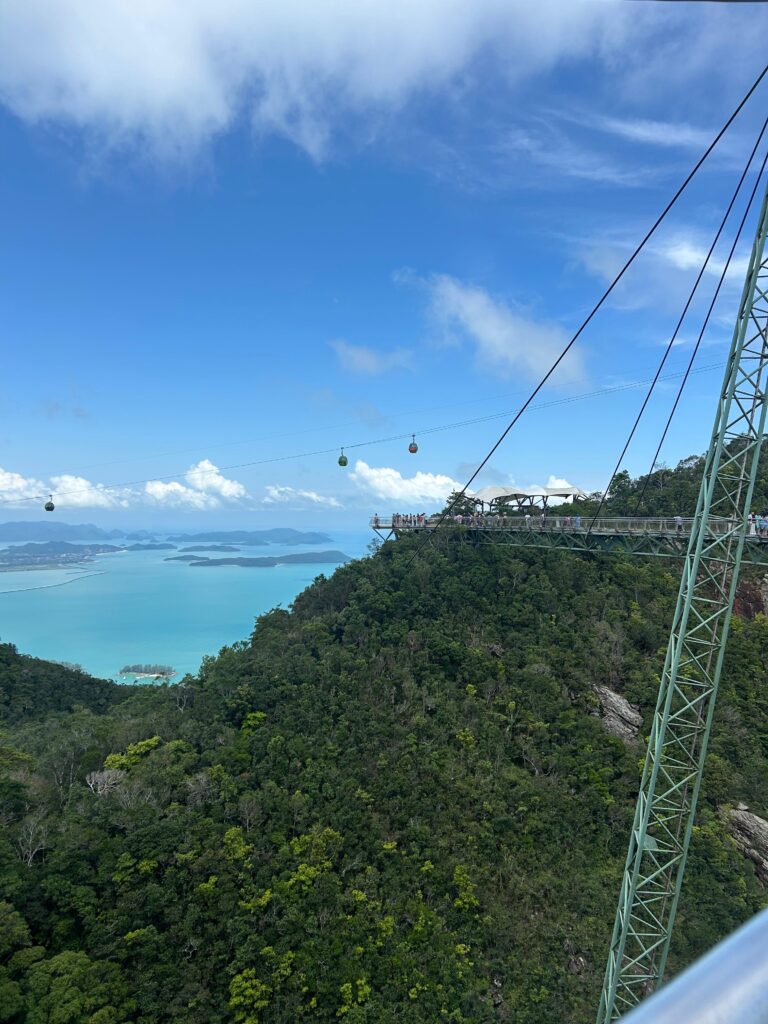
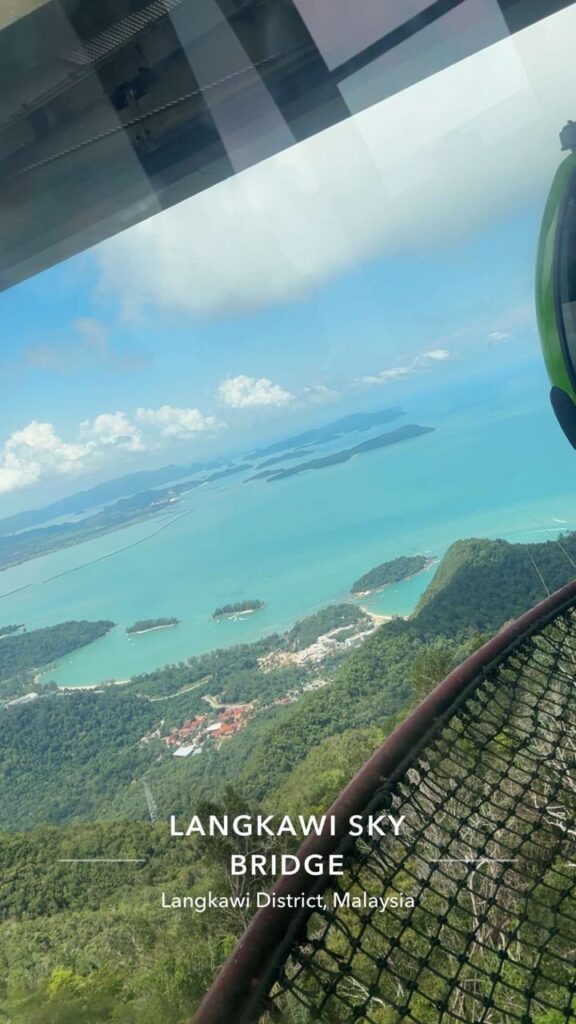
We had the luxury of staying in a beachside hotel. So I woke up early to be greeted with misty grass while strolling towards the beach. The early morning weather is bliss with sun shying away from rising over the horizon. After unwinding myself in the beach from a drowsy night, we had breakfast with a small touch of local dishes. Then we set-off for a sight-seeing tour to Gunung Machinchang. We took a standard gondola ride to the top station after a long wait in the queue. The ride offers a breathtaking view of the valley and the sea. After reaching the top station, we had to either walk down for some distance down the hill or take a SkyGlide to reach the SkyBridge which is a major tourist attraction.
The curved bridge at a height of more than 2000 feet is an escape from the humid climate with cold breeze kissing the face. The view from the top, of different hues of blue is like a canvas pouring out of the artist’s fingers. The hike back to the top station wears off all that euphoria one gets on the SkyBridge. We reached back to the base station, but unfortunately both SkyRex and SkyDome are closed. We were left with exploring the only other option which is 3D Art. This is the place to get some wacky photos. By evening we came back to the hotel and relaxed in the beach. Pantai Cenang is a calm beach with hardly any waves.
Further we explored the busier side of the Jalan Pantai Cenang (Jalan – street/road). A fast food joint around the corner called MR SMASHED is a must try for its juicy and crispy burgers. Langkawi island is famous for its duty free shops and we managed to snap some good deals from Warisan duty-free shop on the same street before calling off the day.
Day 3:
It’s time to bid adieu to Langkawi. Though there was dissatisfaction that I couldn’t go island hopping and other water activities, it was time to hop on to the next destination KualaLumpur. We took a flight around noon and we were hardly 40 minutes in air before the flight started prepping for landing. A Birds Eye view of neatly arranged row houses amidst palm plantations. Malaysia comes close second after its neighbour Indonesia for world’s largest producer of palm oil. We landed in terminal 2 which is the prime operating base for the low-cost airline AirAsia which stands true for its tagline “Now Everyone Can Fly“. A huge fleet of AirAsia flights greeted us on arrival.
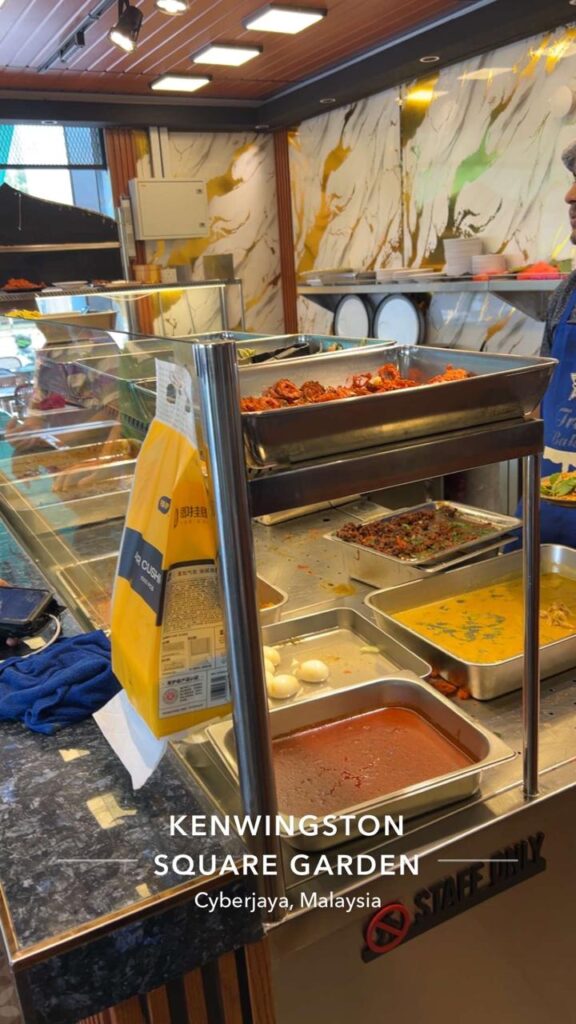
The KLIA airport is close to 50 KMs from the city and interestingly Putrajaya, the seat of federal government is closer to the airport. Both the federal government and KLIA airport used to be part of Kualalumpur city itself a couple of decades ago. On our way to the city, we stopped by a Kedai mamak hotel which is a type of eatery run by Indian Muslims from Tamil Nadu. It was a relief for me finally to have some food closer to my taste palette.
Nasi Kandar is popular food in Malaysia which was introduced by Tamil Muslim traders from India. It usually consists of rice with different curries of both vegetables and meat and gravy loaded. Nasi derives from the Malay word rice and Kandar refers to the shoulder. The name originates from when Indian Muslim would sell this curry to dock workers carrying them on their shoulders. Over the course of time, the dish became famous and made itself to many restaurants. We get to choose curries/gravies from different vegetables like okra, bitter gourd etc or meat varieties and rice is topped with those gravies.
As Malay peninsula was also a British colony, many Indians were mobilised as plantation workers and building railways. They form the third largest diaspora after Bhumiputeras and Chinese who immigrated for tin mining. Though there were accounts of earlier migrations during Cholas, Ashoka and Srivijaya period, most significant migration happened during the colonial period. Influence of Sanskrit in many Malay words is evident and even Buddhism and Hinduism were brought to the peninsula many centuries ago.
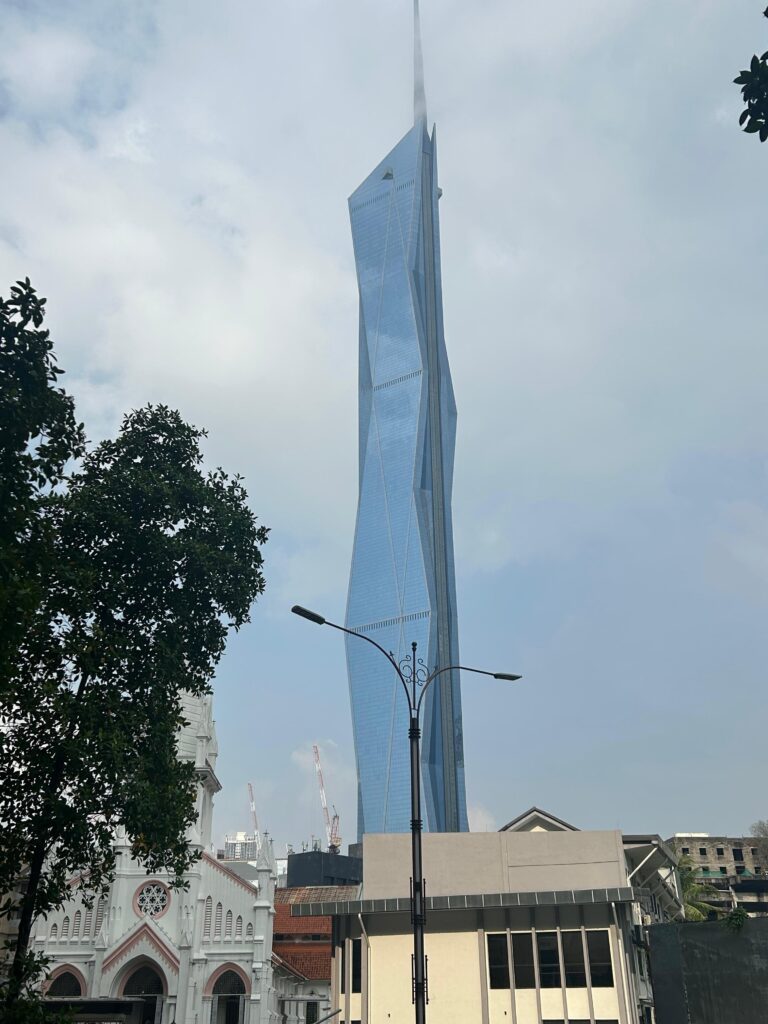
We booked a hotel in Bukit Bintang (Bukit – hill) which is famous for its nightlife and food street. While we were preparing for a shopping tour, it poured all of a sudden which is typical for monsoon in tropical climate. Kualalumpur is a city of multiple sky scrapers, Merdeka 118 – a 118-story mega tall skyscraper is visible from our place. It is the second tallest building in the world behind the Burj Khalifa but not yet open to public.
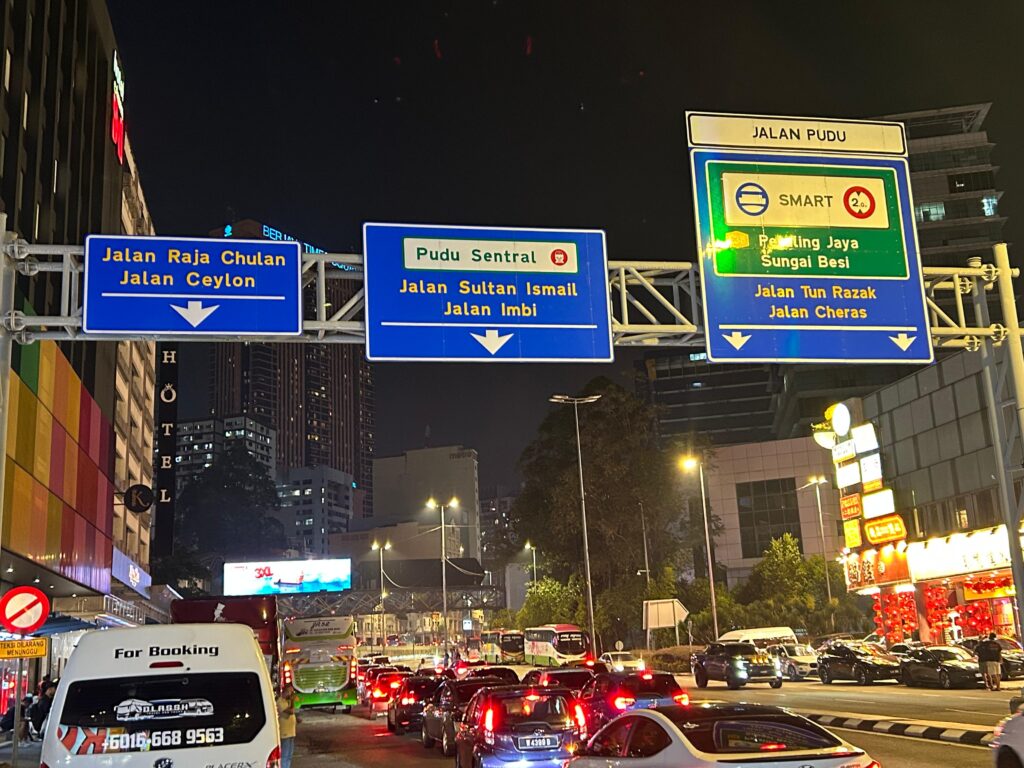
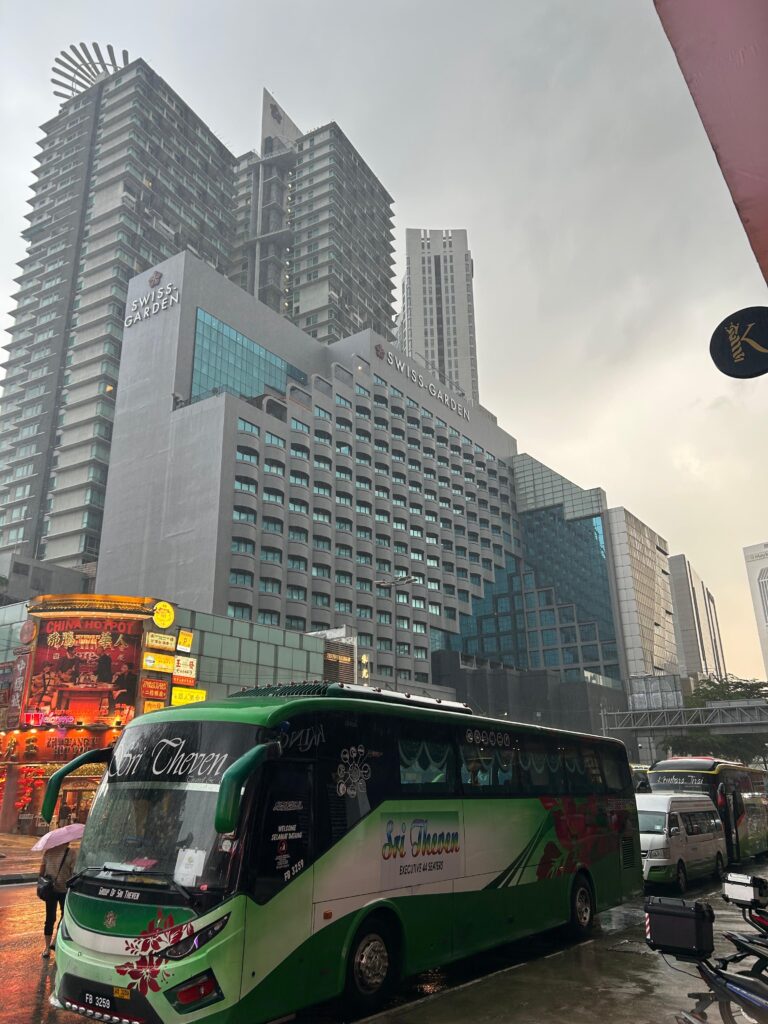
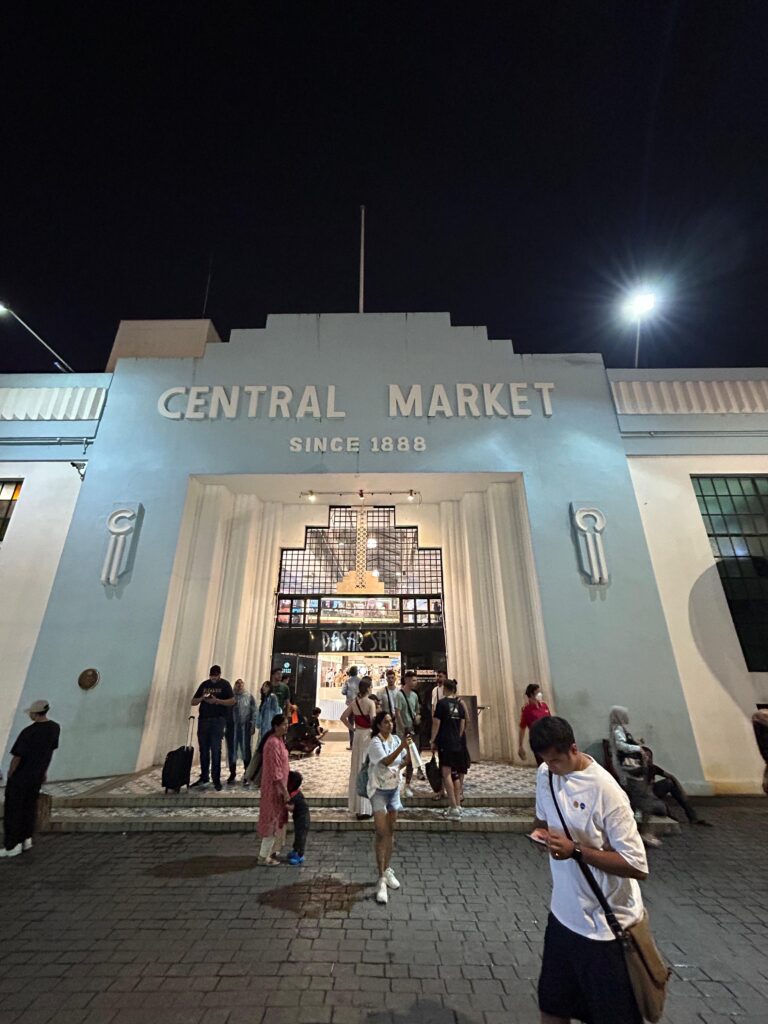
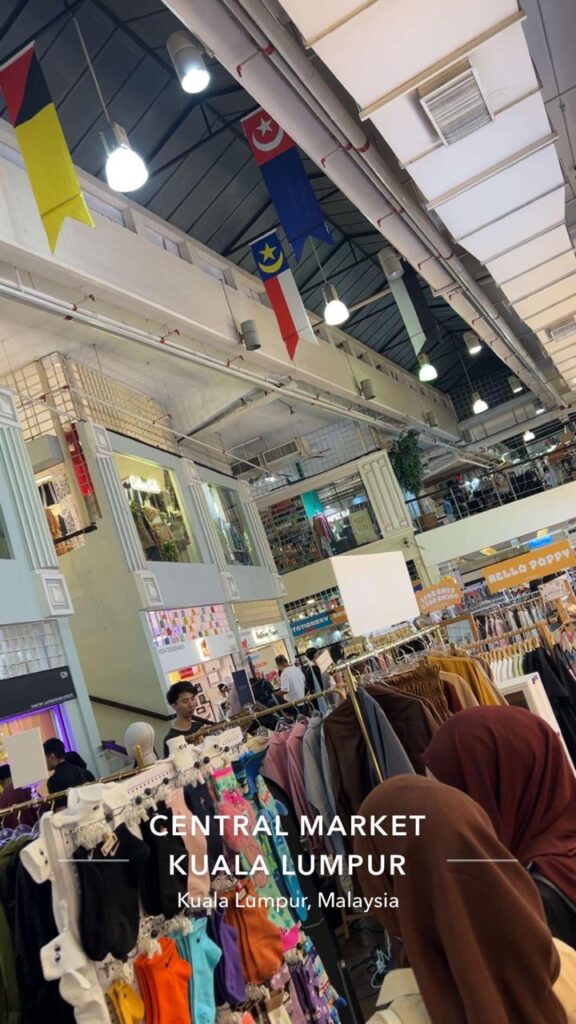
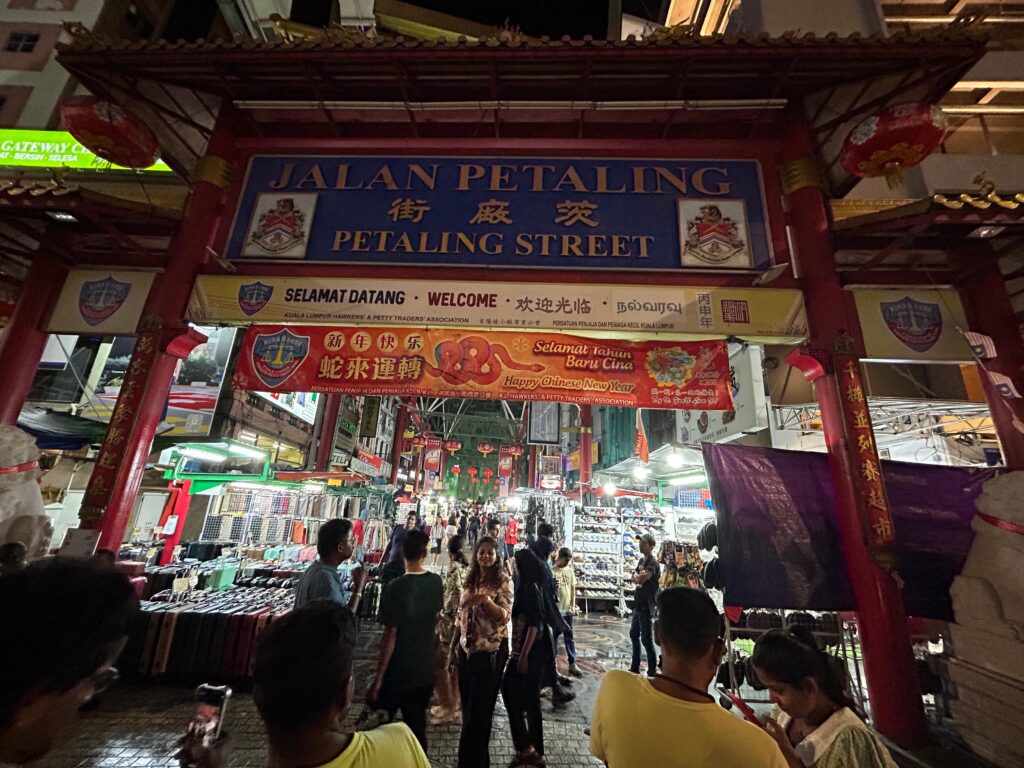
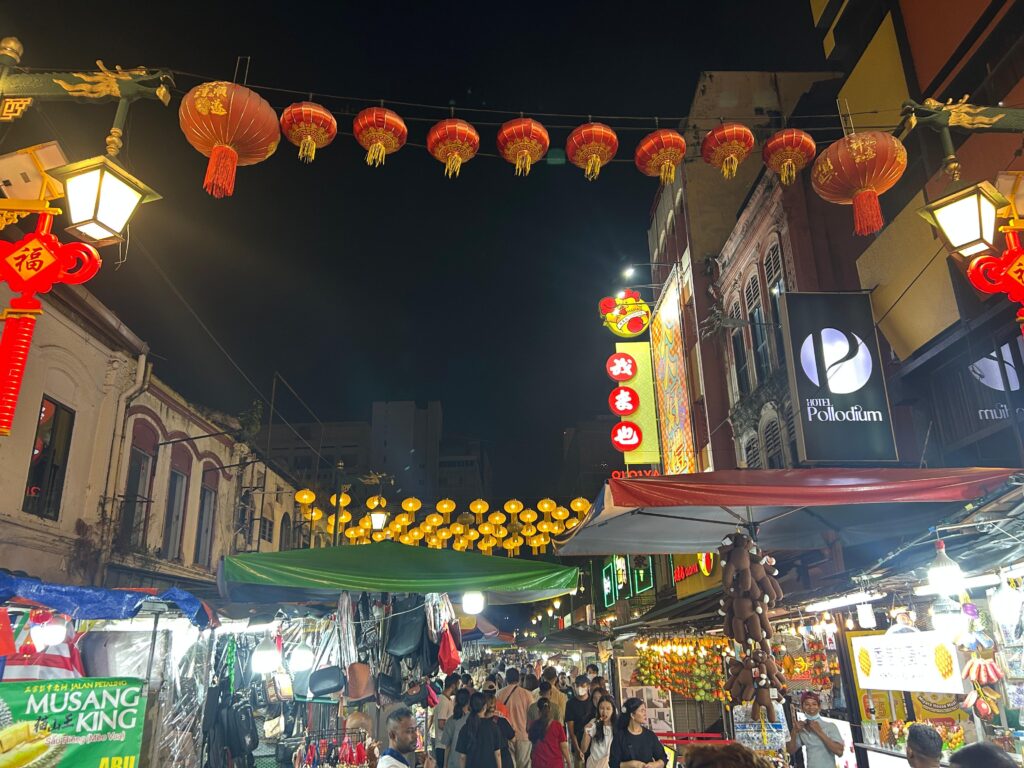
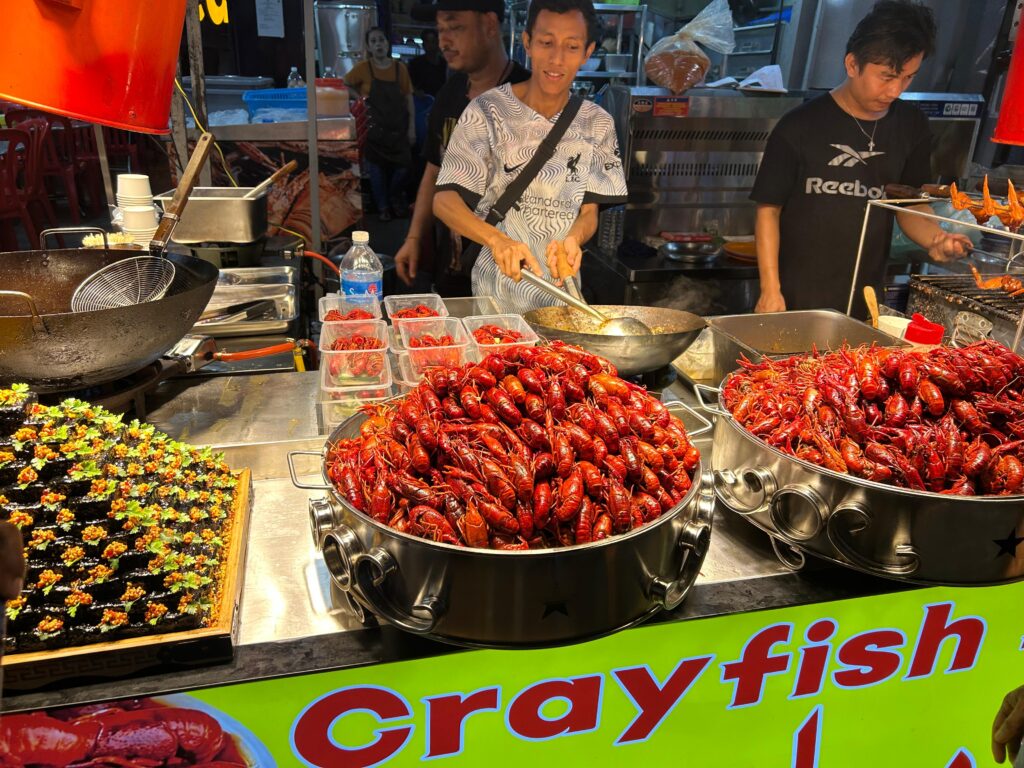
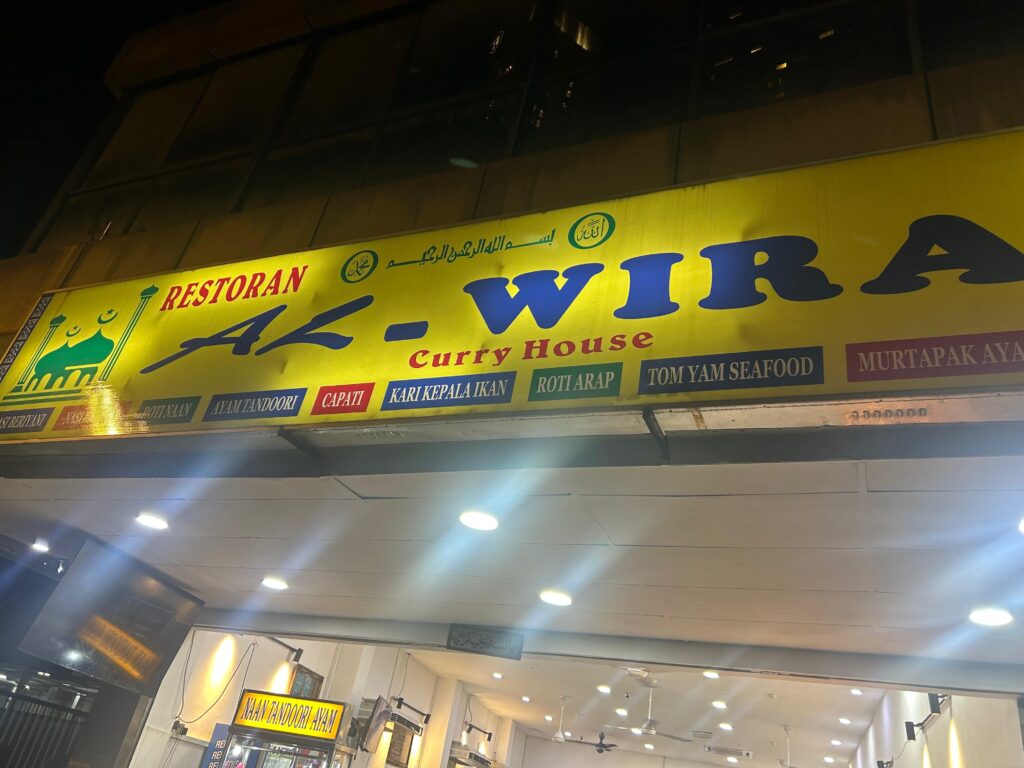
We initially went to the central market for some shopping followed by Petaling street more commonly known as Chinatown, a flea market for traders from Bangladesh, China and India. The quality and pricing of products is infamous. For dinner, we went to mamak hotel again and had Roti Cenai which is nothing but Ceylon/Kerala Parotta with dal (lentil curry)/meat gravy. Before bidding farewell to the day, we spent meandering through the fast food joints of jam-packed Jalan Bukit Bintang experiencing its nightlife.
Day 4:
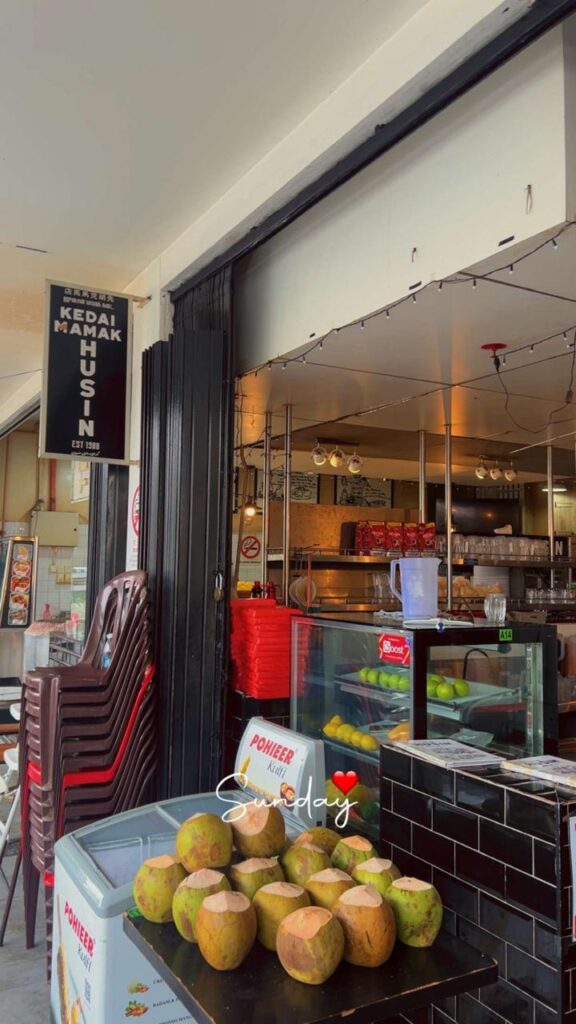
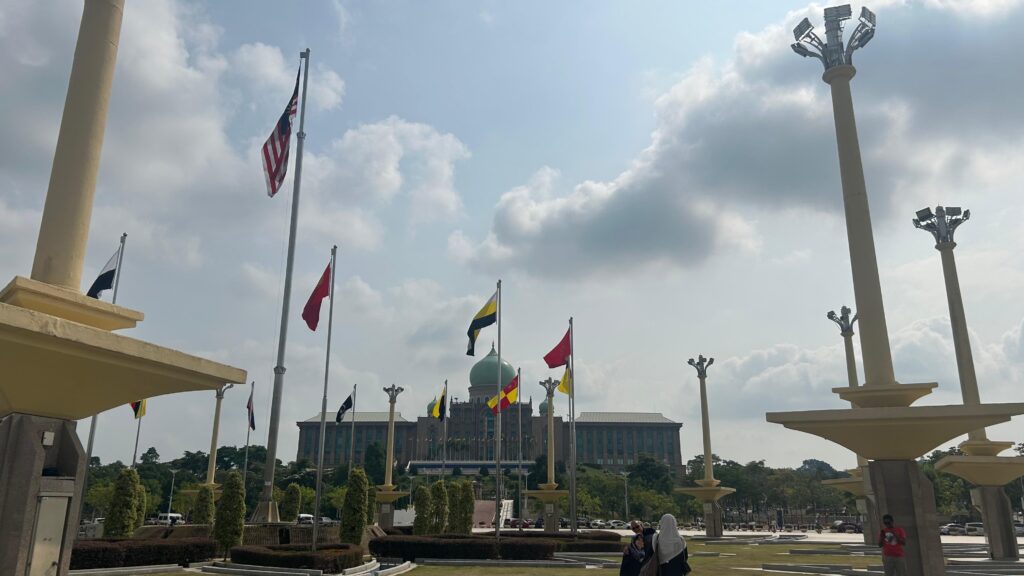
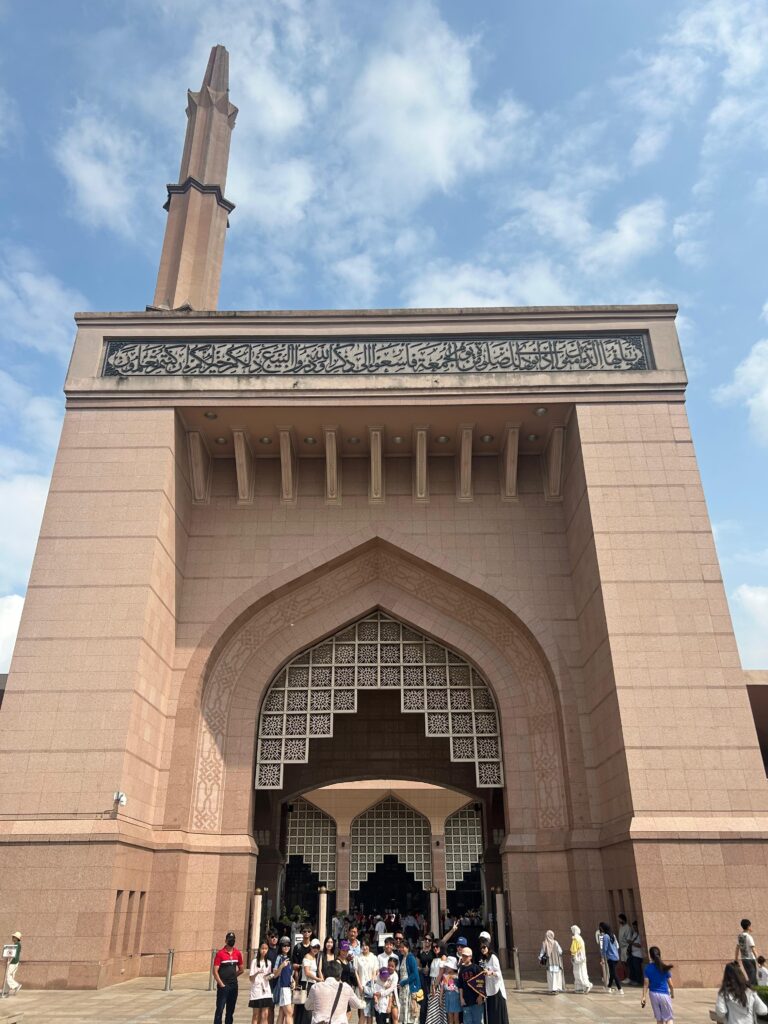
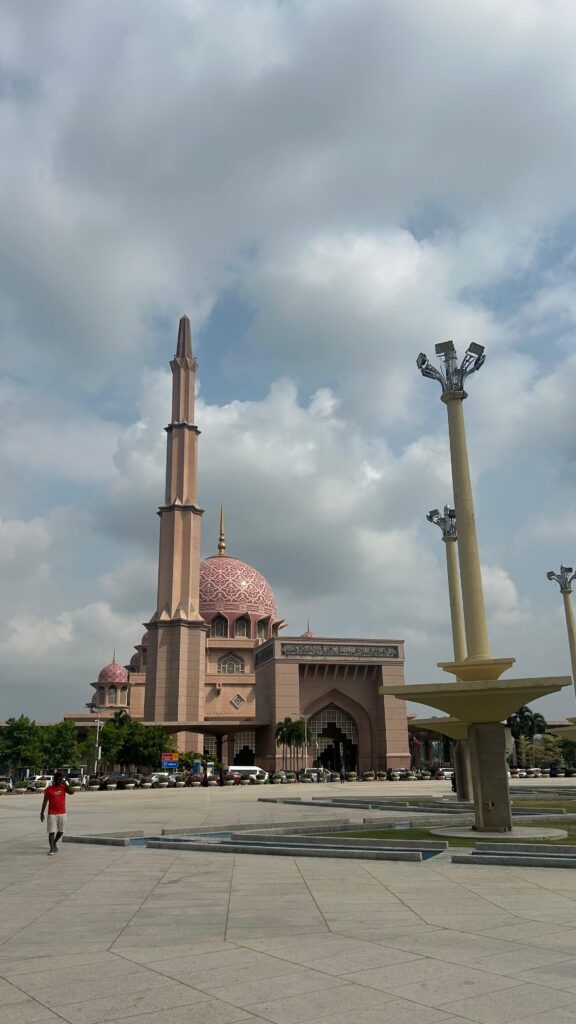
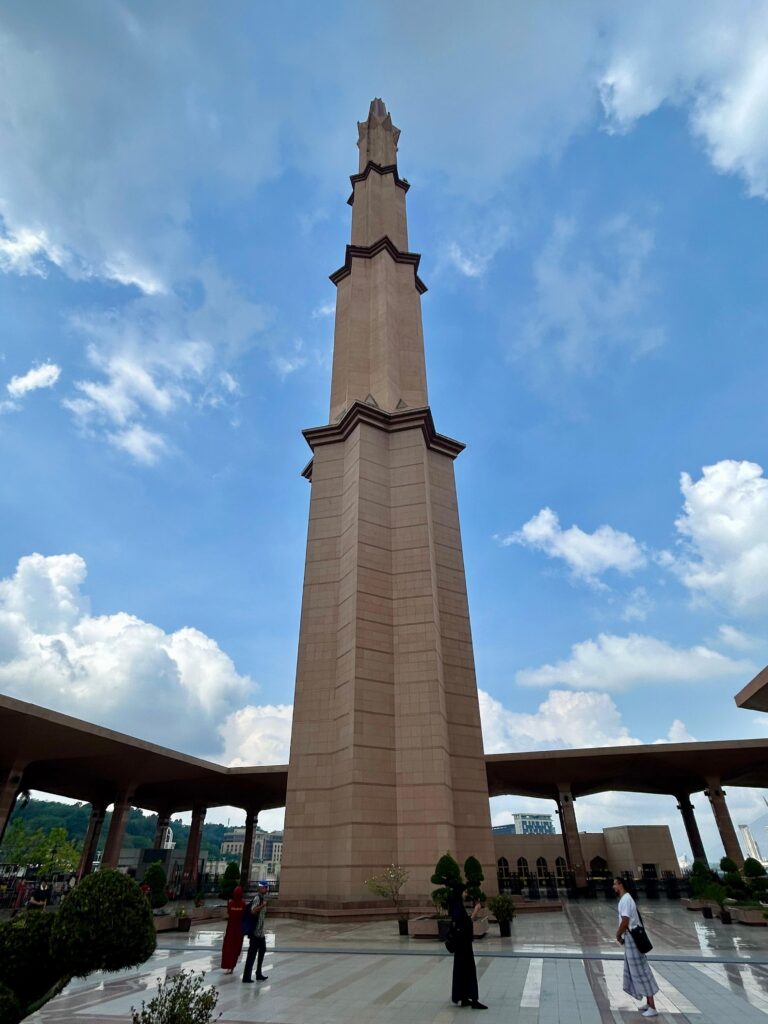
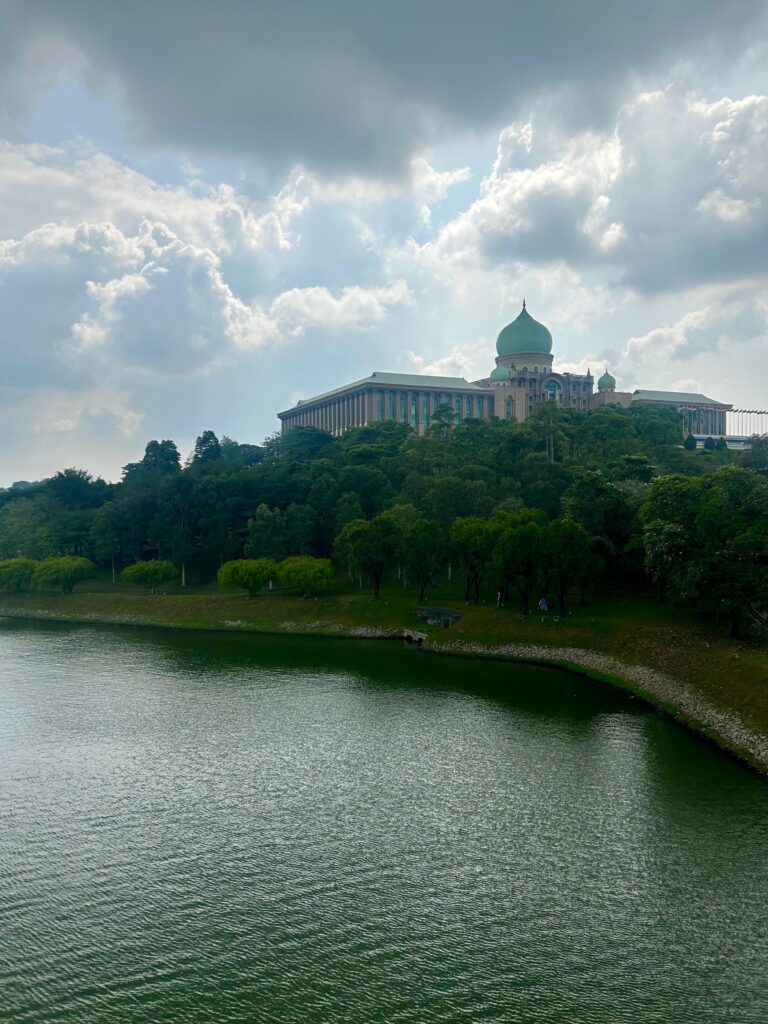
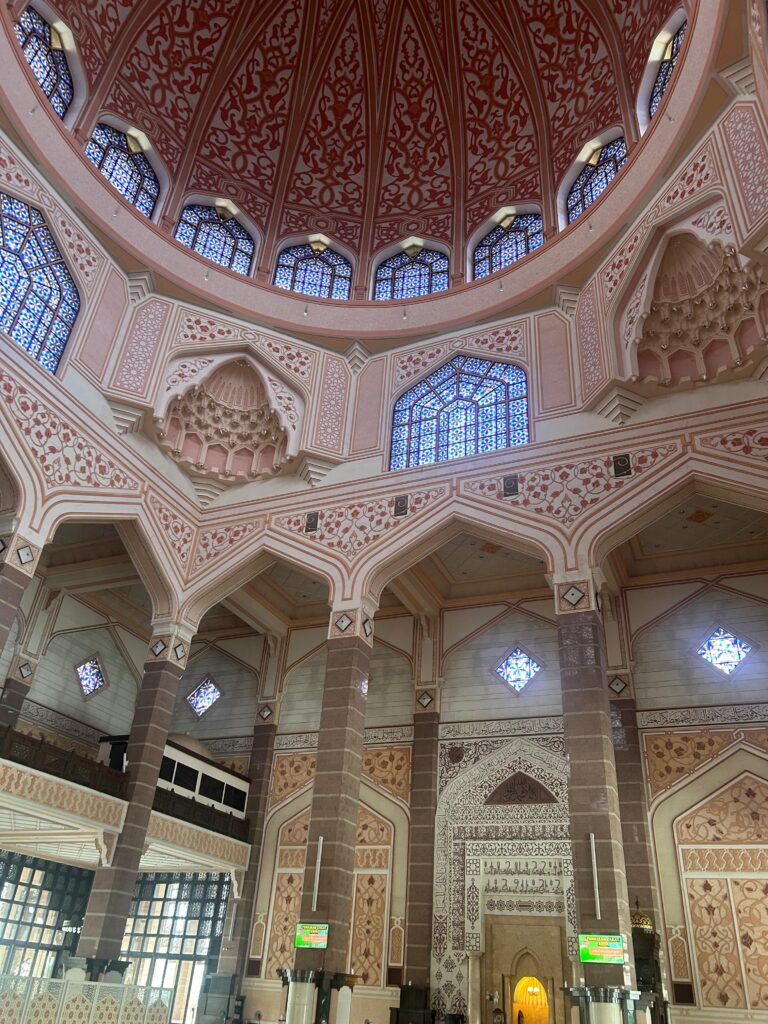
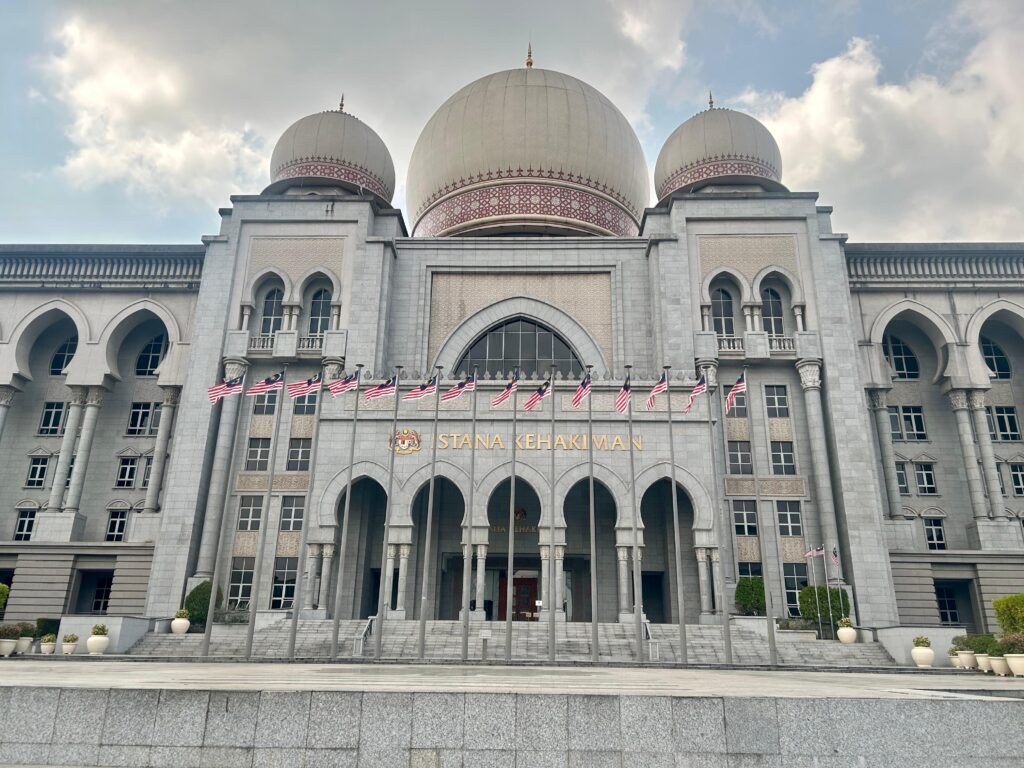
After having south-indian breakfast at popular Kedai mamak Husin, we started to Putrajaya the modern city south of Kuala Lumpur. Though Kuala Lumpur still remains official capital and having national legislature, seat of federal government and judiciary were moved to Putrajaya due to overcrowding. It was a Sanskrit name and named after the first prime minister of Malaysia. Colossal buildings of each ministry are lined up as we pass through to reach Perdana Putra, official residence of the Prime minister. Very nearby on the Putra square, Putra mosque lies flaunting its pink and rose tinted granite. The dome shaped mosque, minarets and intricate floral patterns resembling Islamic architecture. There is a lake adjacent to the mosque and offers a splendid view to the Prime minister’s residence.
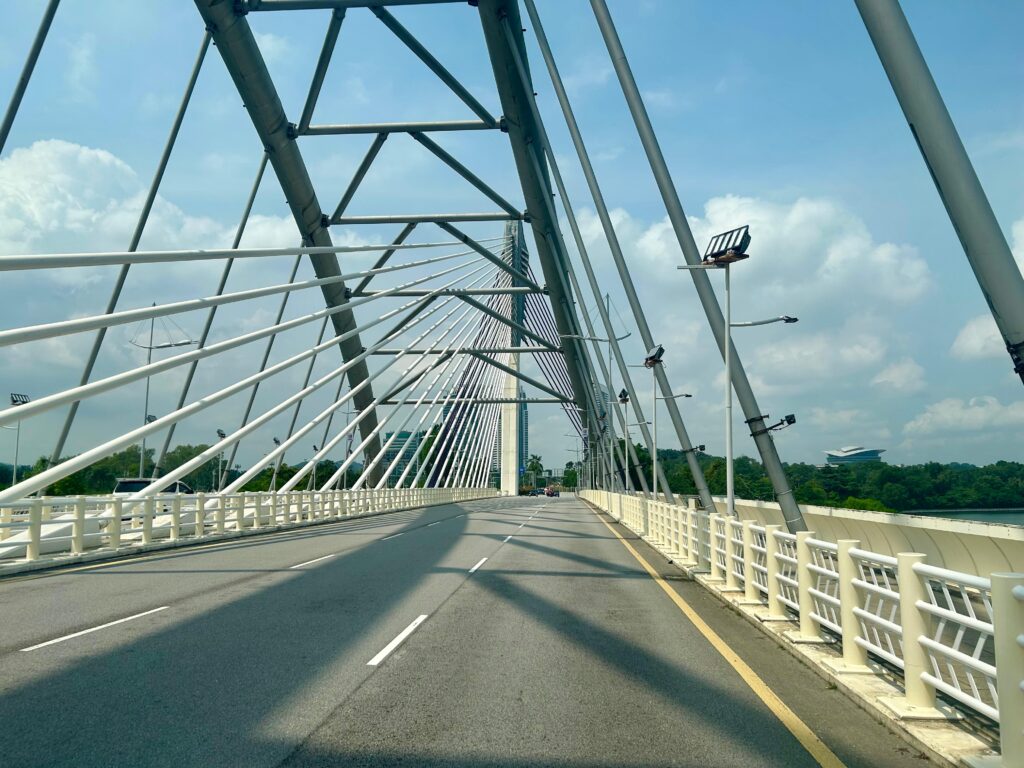
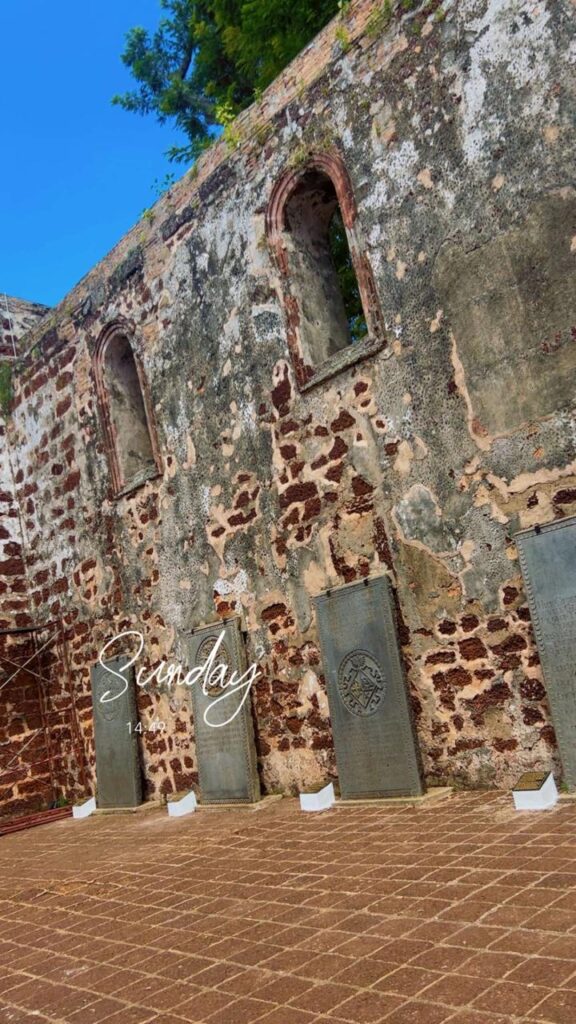
From a future city with proper planning and modern amenities, we started our next journey to Melaka/Malacca which is a UNESCO World Heritage site. On the way, we passed by the elegant Seri Wawasan bridge which has a sailing ship appearance. Melaka had a rich heritage of maritime trade and was once a bustling trading port on the Malacca Strait. The straits were named after the same city during the Sultanate. The city was later colonised by the Dutch, Portuguese and finally British. Our first stop was the Portuguese fortress called A famosa with only some remnants left. It reminded me of the forts in Old Goa for its architecture.
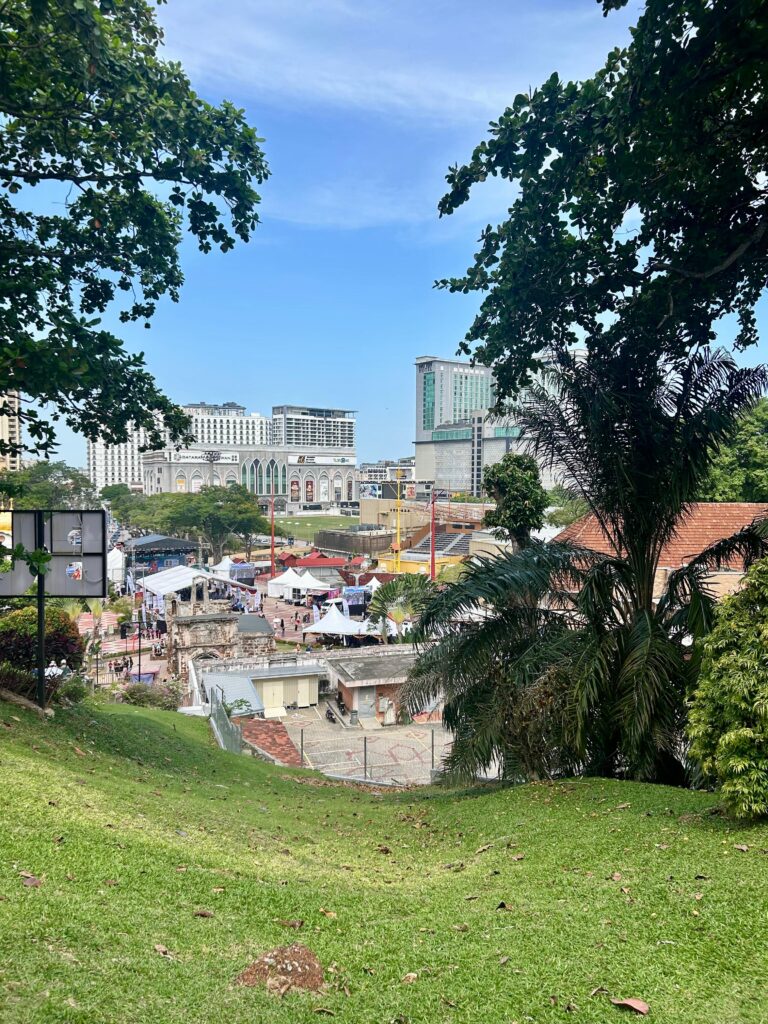
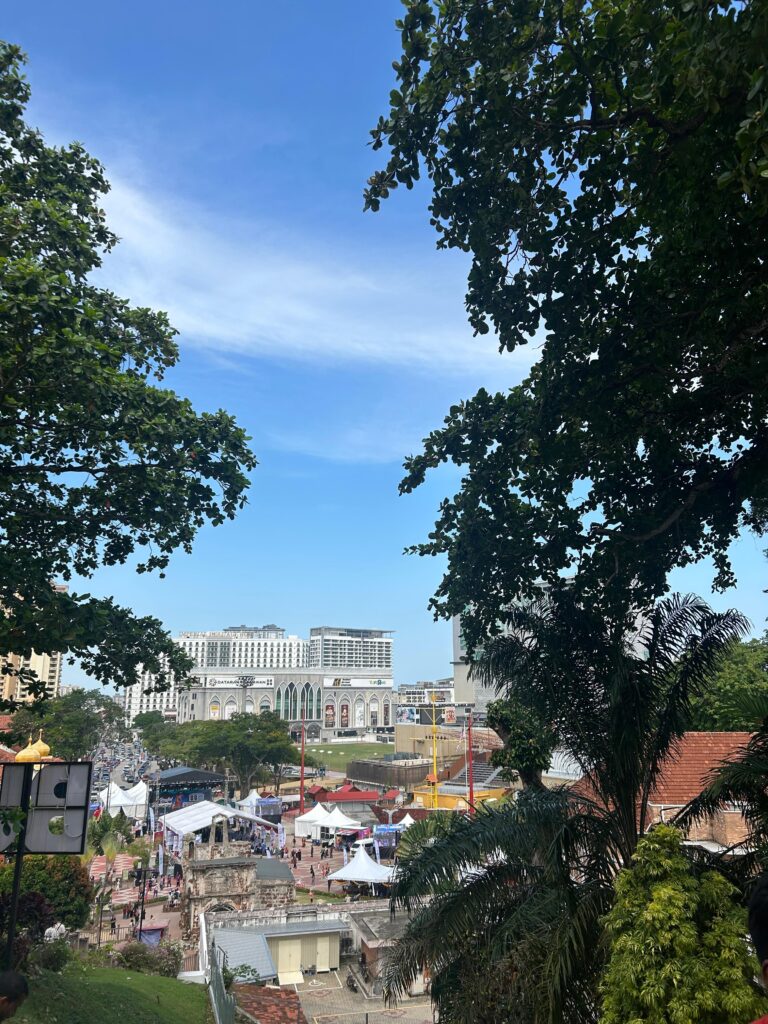
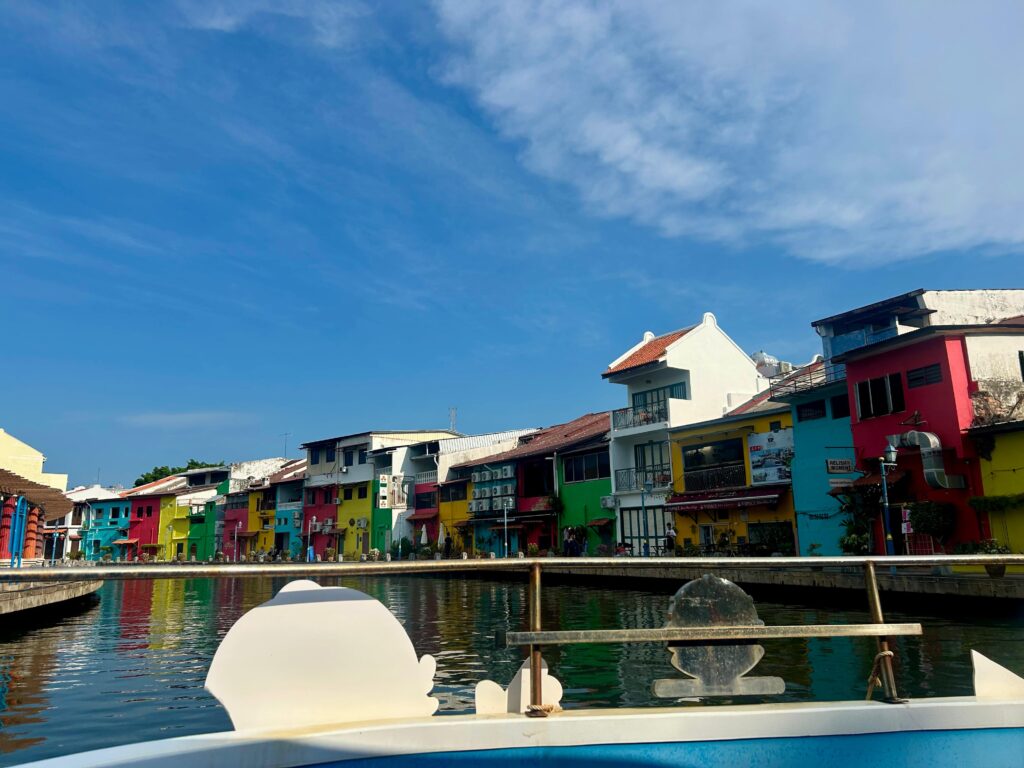
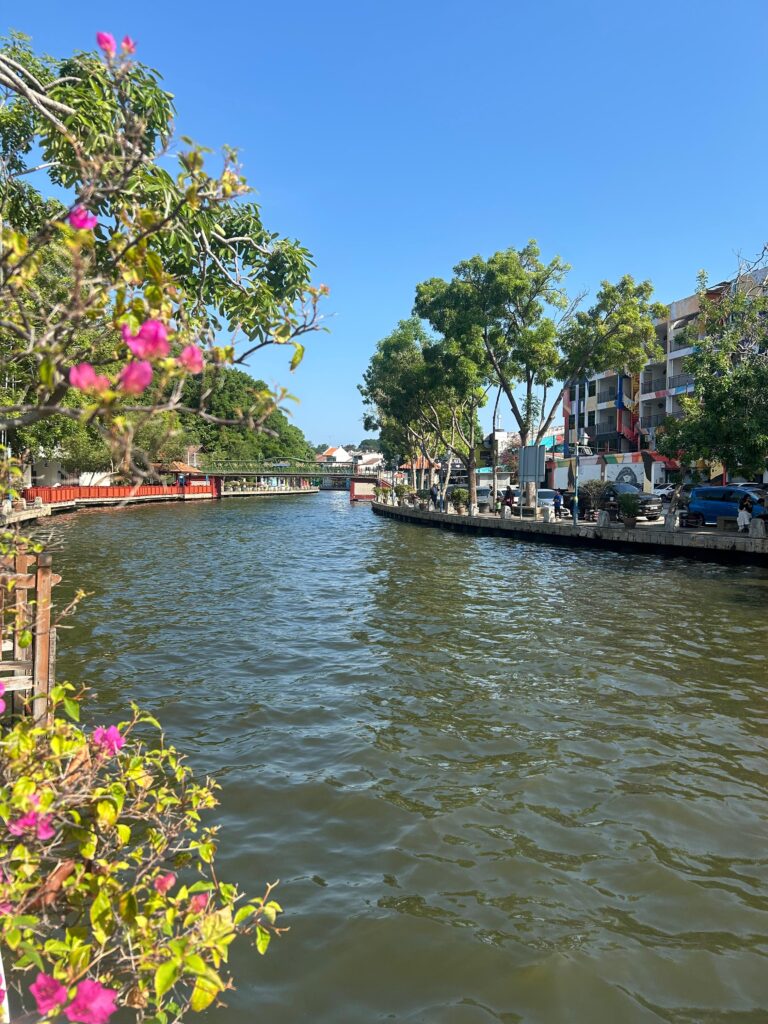
The Malacca river divides the city into half and we were captivated by the beauty of the city cruising through the river. Vibrant and colourful canal houses make anyone astonished by the beauty. It was a guided tour in Malay and English explaining the rich heritage but it was too feeble for us to understand. It was surprising for me (coming from a country where gender inequality is still prevalent in many professions) to see women leading in many professions like chefs, cab drivers and boat captains.
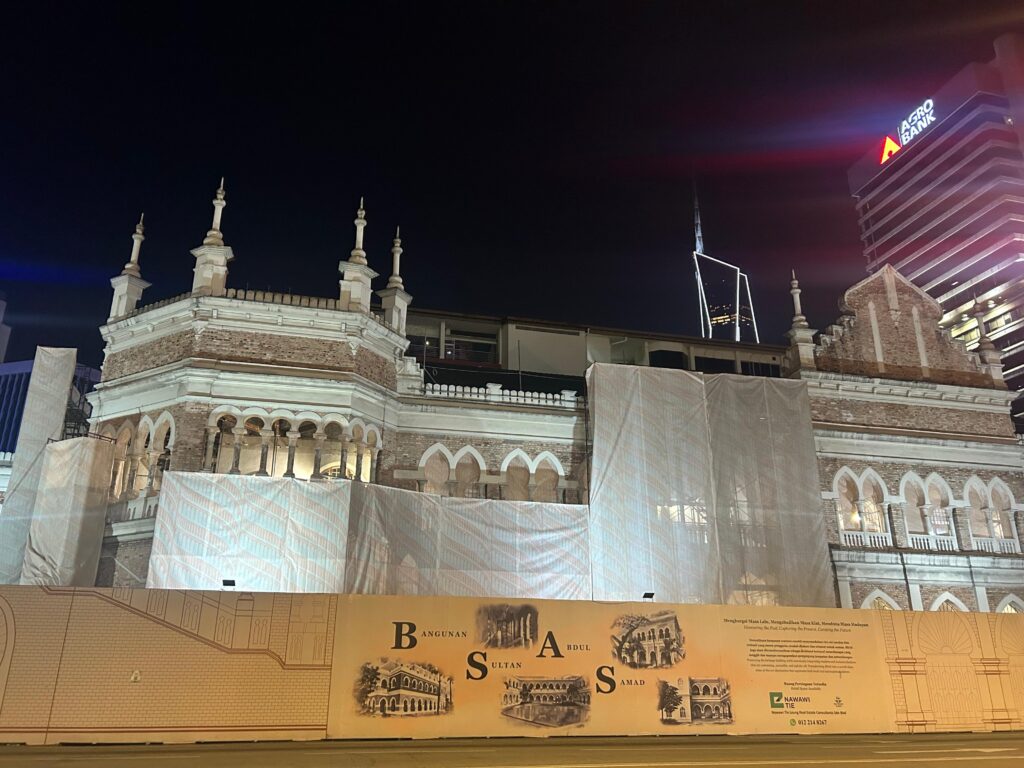
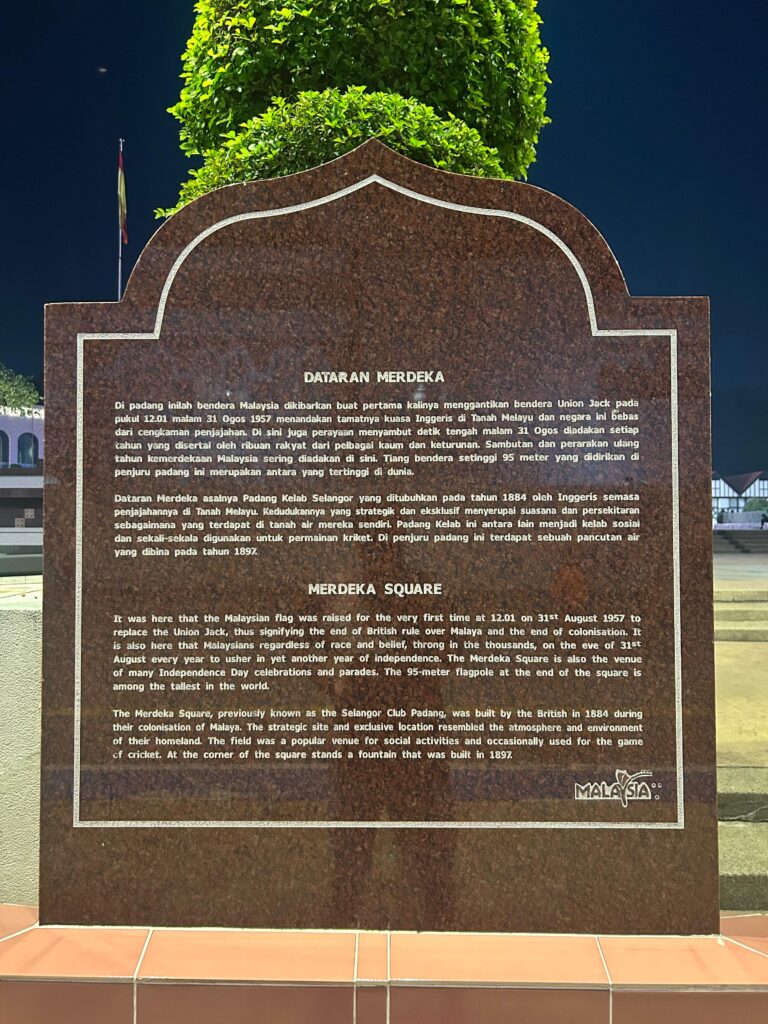
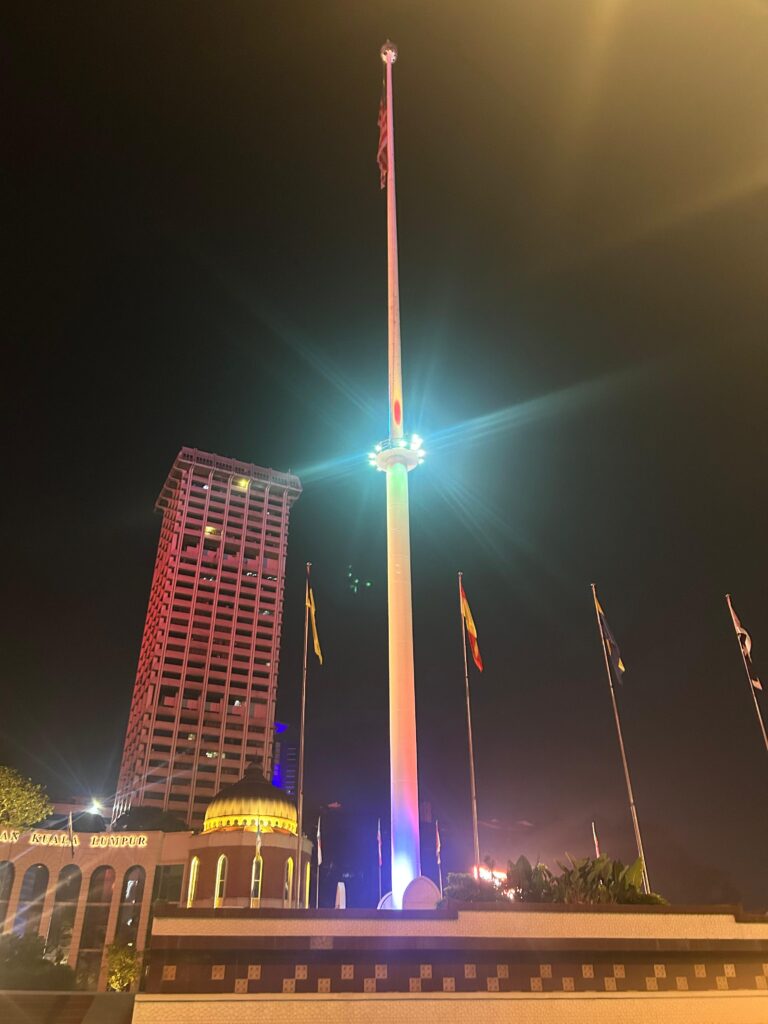
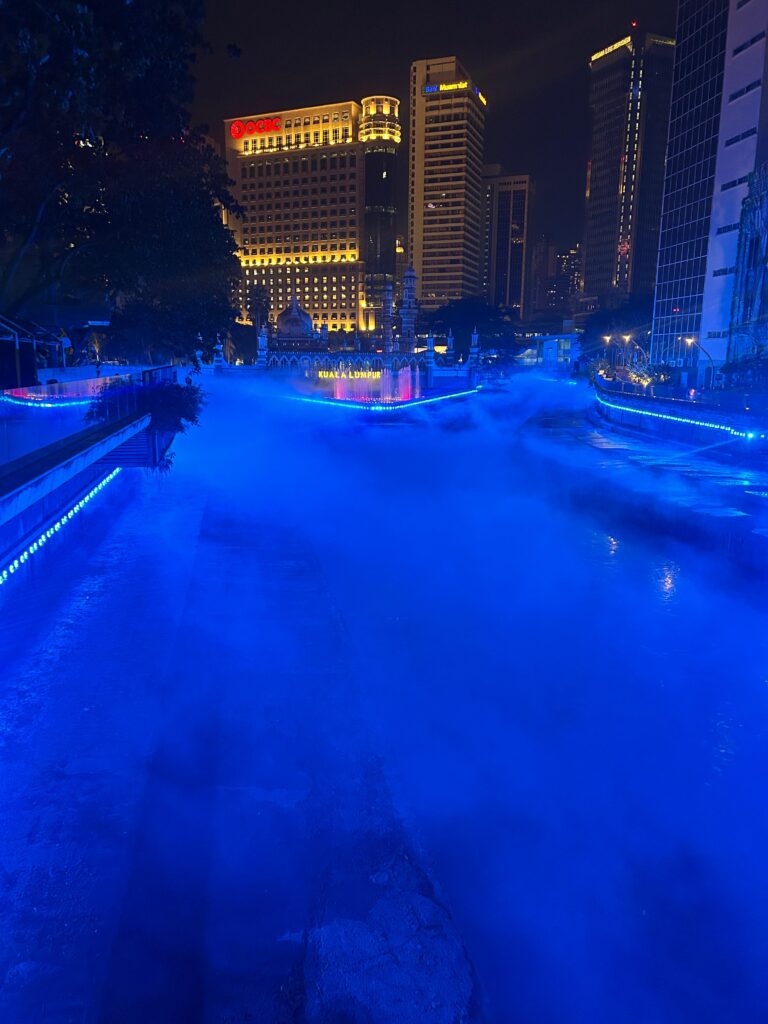
We started back to Kuala Lumpur and stuck in heavy traffic but the lane discipline really impressed me. On the freeways, multiple convenience stores like 7-Eleven, KK Super mart (cheaper option) and clean rest rooms are present including dedicated prayer rooms. One tip is not to withdraw cash from ATMs in 7-Eleven and look for ATMs belonging to Maybank and some islamic banks like CIMB and Hong Leong which do not charge any extra fees. After reaching the city, we went to Merdeka Square (Merdeka – Independence) where Malaysian flag got hoisted for the first time in 1957 after gaining independence.It is opposite to the Sultan Abdul Samad Building which used to be seat of British colonial administration. After independence, the building housed the Supreme Court/Federal court for a while before it was moved to Putrajaya. Close by is the River of Life, one of the most iconic spots and a confluence of two rivers, the Klang and Gombak. We called off the day after satiating hunger at a mamak hotel and strolling through the streets of Bukit Bintang.
Day 5:
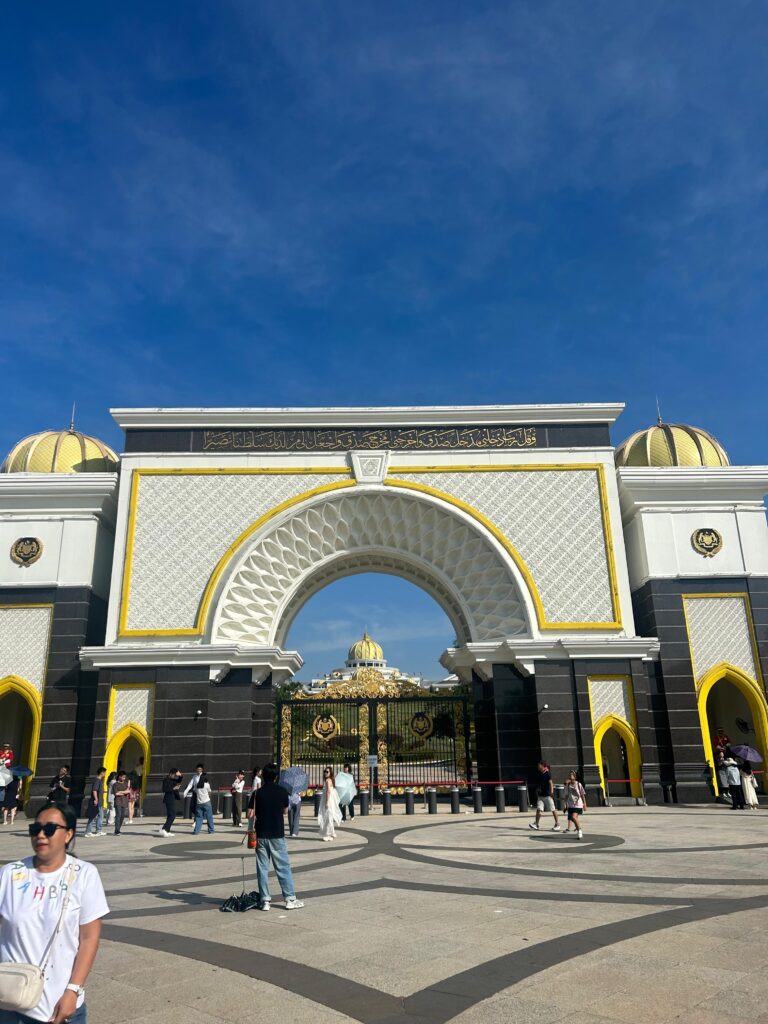
Our first stop is at Istana Negara – official residence of the King of Malaysia. The king is the constitutional monarch and ceremonial head of the state. The king is elected among the nine rulers of the states with the office rotating between each of them. The current king is the Sultan of Johor which is adjacent to Singapore.
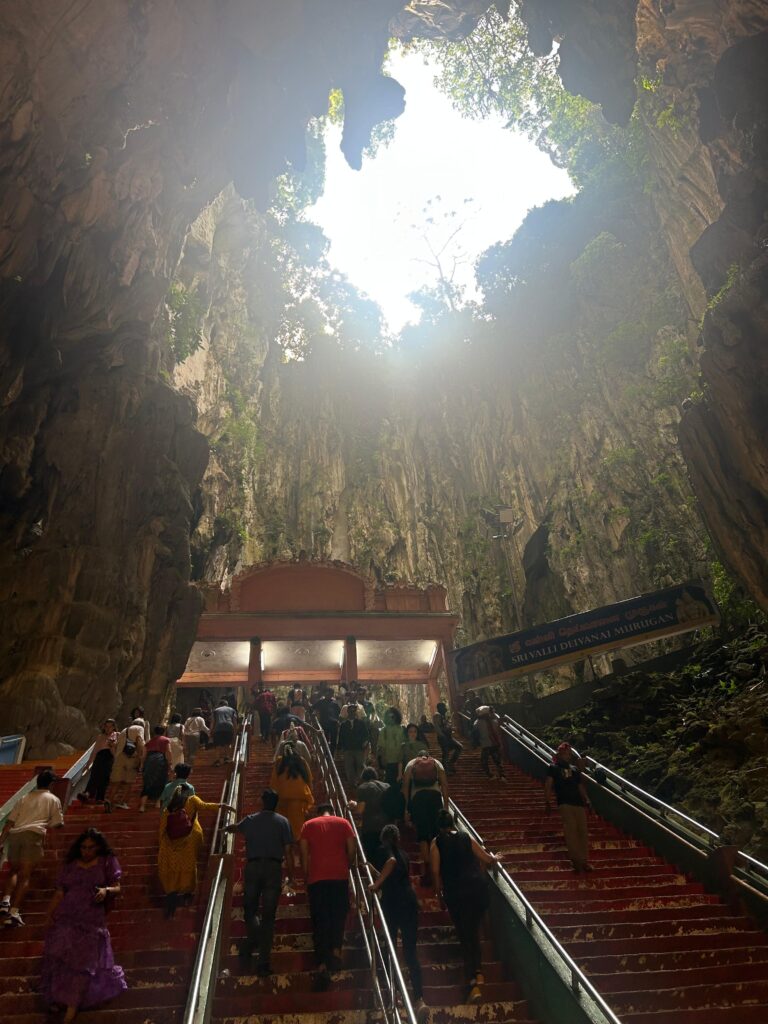
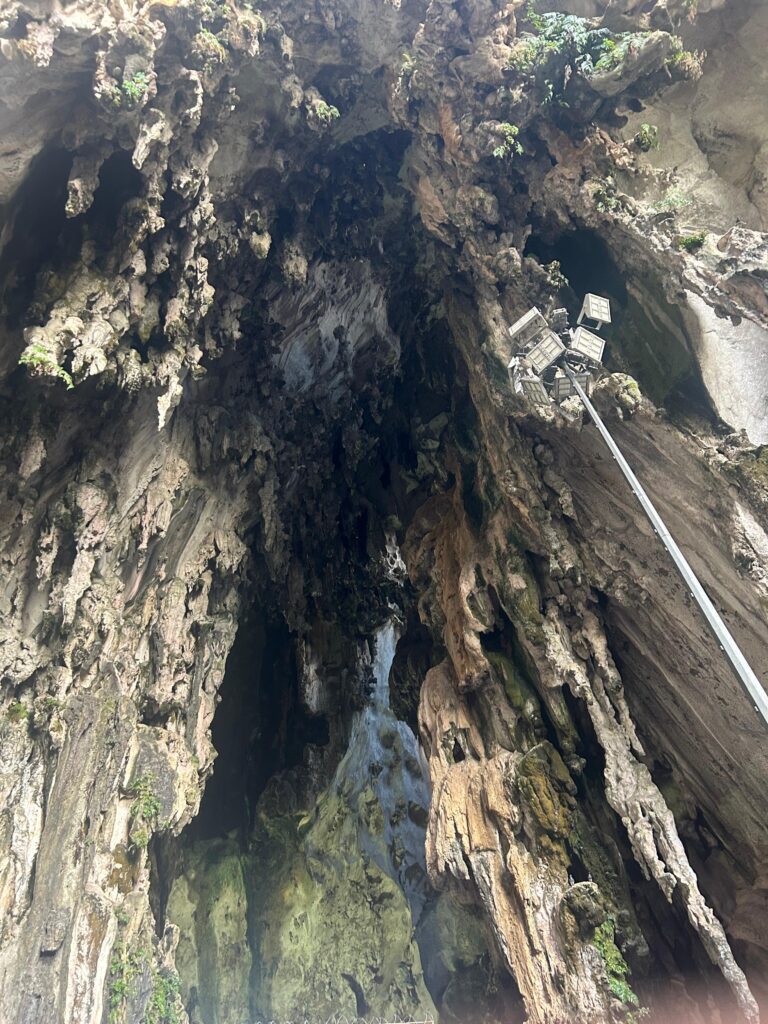
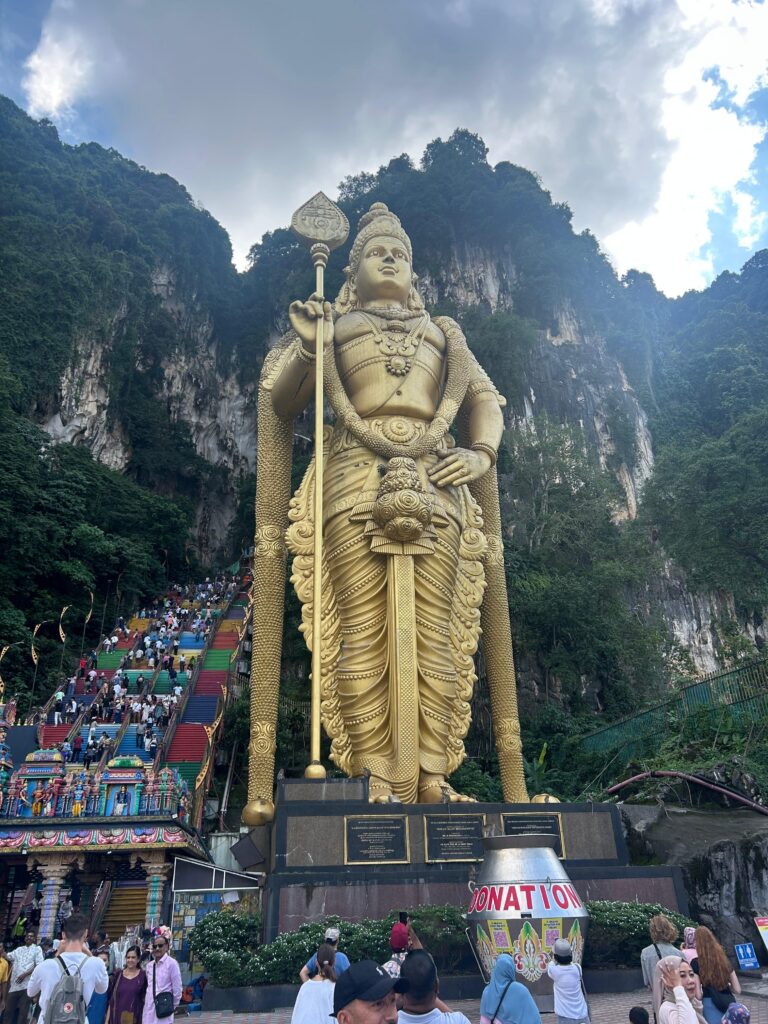
Next we went to the famed Batu Caves, a series of limestone cave complex with iconic presence of 140 feet Murugan statue. Adjacent to the statue are steep stairs to climb upto the shrine of Sri Subramanian swamy along with Valli and Deivanai. Naturally formed stalagmites and stalactites and an eye in the cave ports us to a different realm full of spirituality and natural beauty.
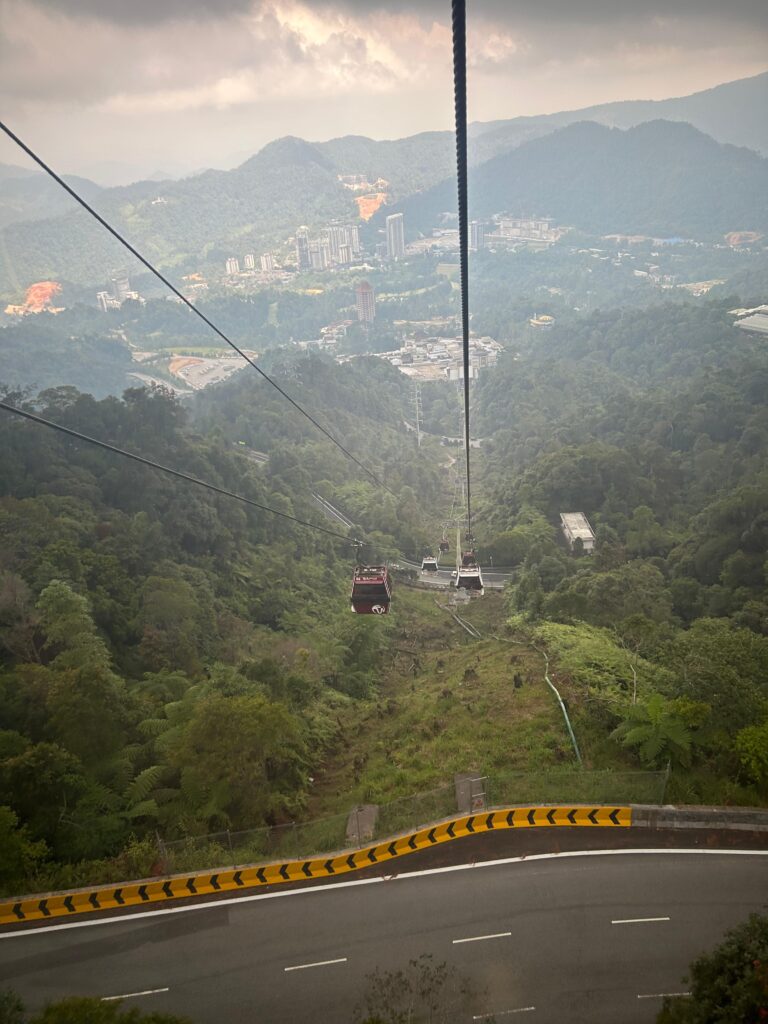
Our final destination for the day is Genting Highlands to which there are two aerial lines – Awana SkyWay and Gohtong Jaya, the latter being the longest cable car at launch in south-east Asia. We took the former one through foggy and pleasant climate with a cold breeze. This undoubtedly felt better than the cable car we took couple of days back at Langkawi mainly due to cooler climate. But the queue to get into the cable car is very long and we had to wait for almost an hour to get inside even on a weekday. We reached the top station where multiple premium retail and dining outlets are available. Both Outdoor and Indoor theme parks would keep the kids on their toes. Then, there is the Casino, where you get to see the elderly splurging money. It’s a different environment all together and artificial in contrast to the natural beauty we witnessed earlier.
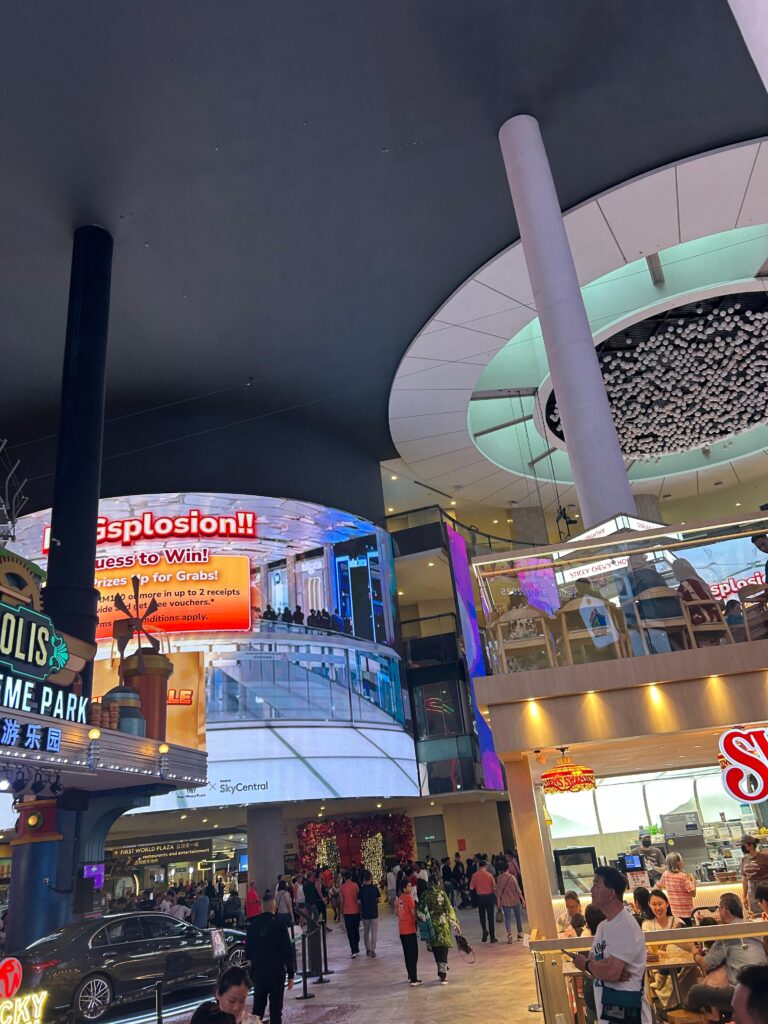
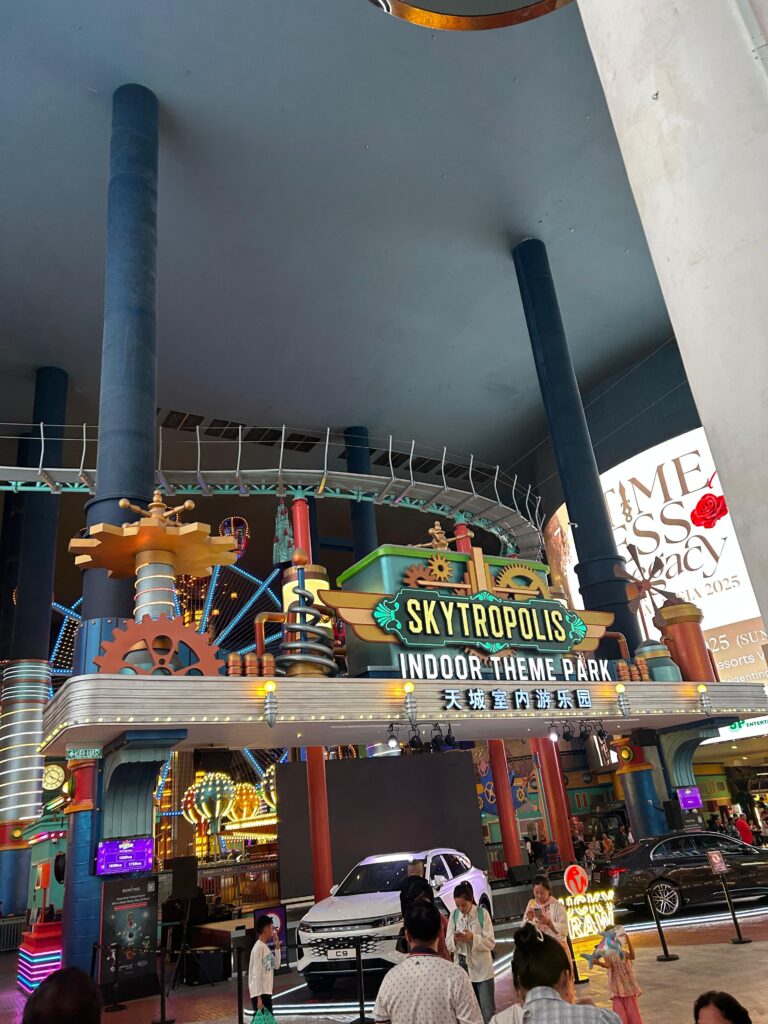
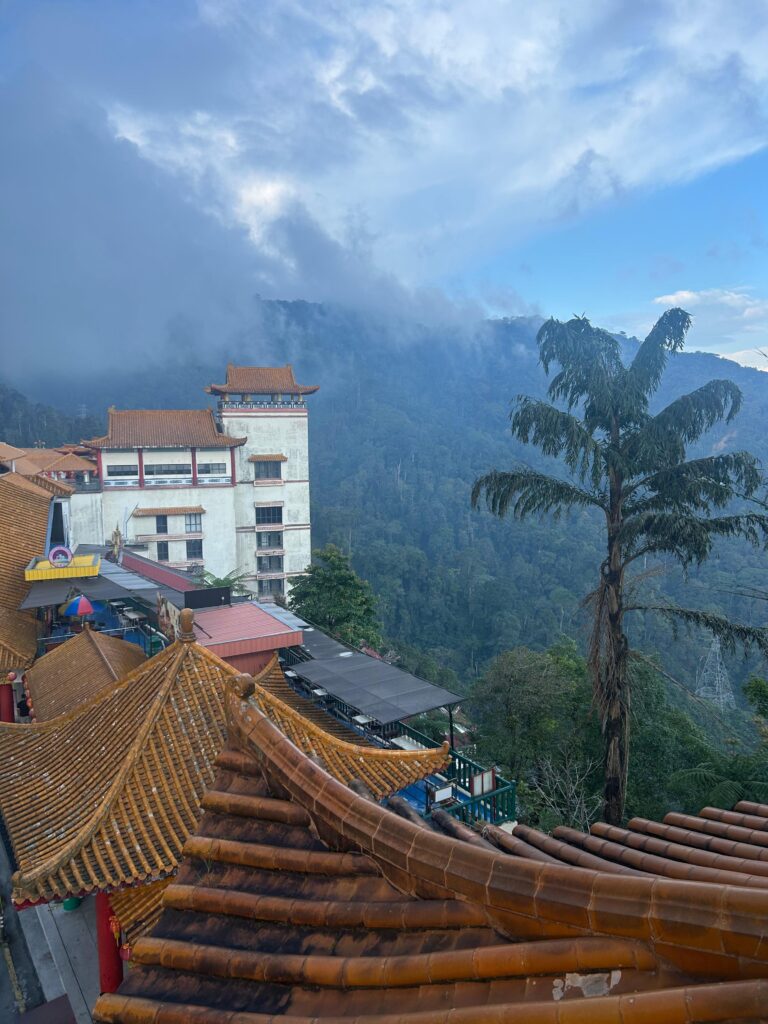
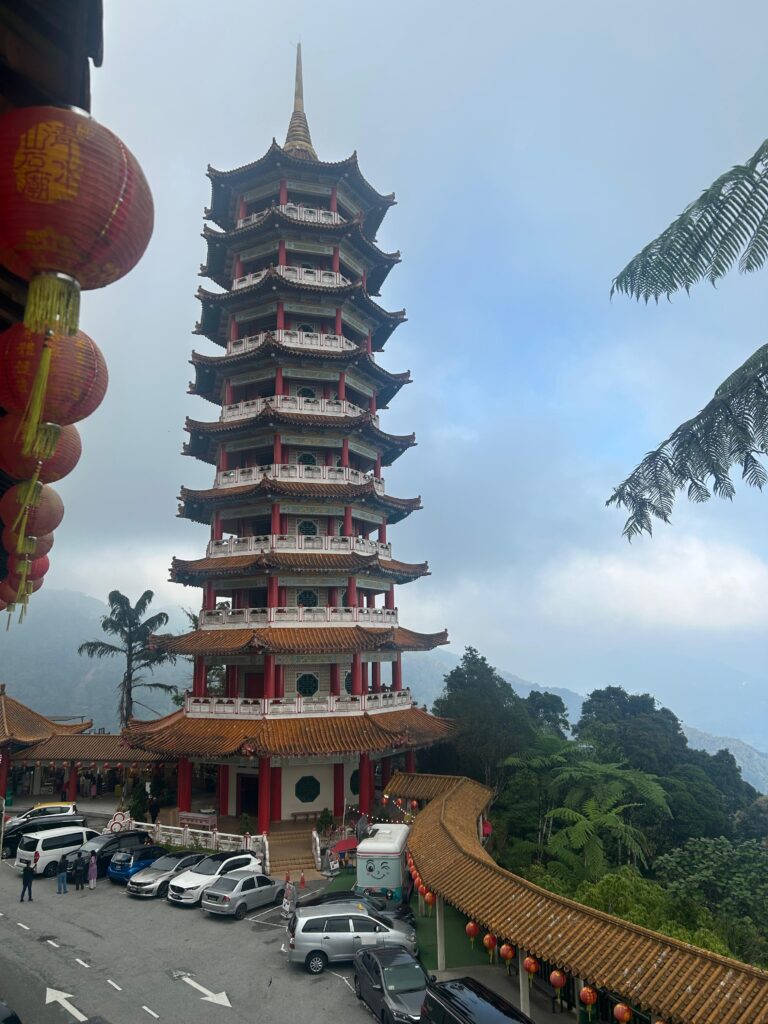
On our way down to the base station, we somehow resisted ourselves from getting down at Mid station (due to lack of time) where Chin swee temple is present. Just before the cable car picks up the pace, we got off swiftly. We would have regretted if we had not stopped at this place. A series of multiple escalators downhill took us to the temple. The climate and surrounding environment of the temple is like a fairytale with the giant buddha statue and pagoda.
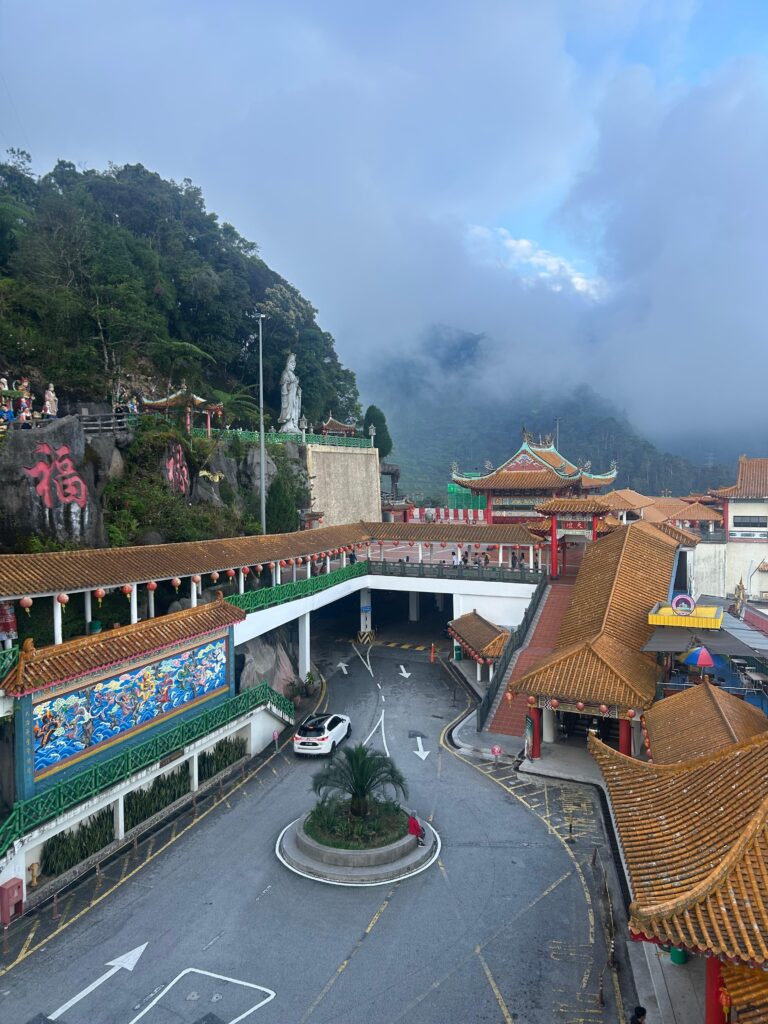
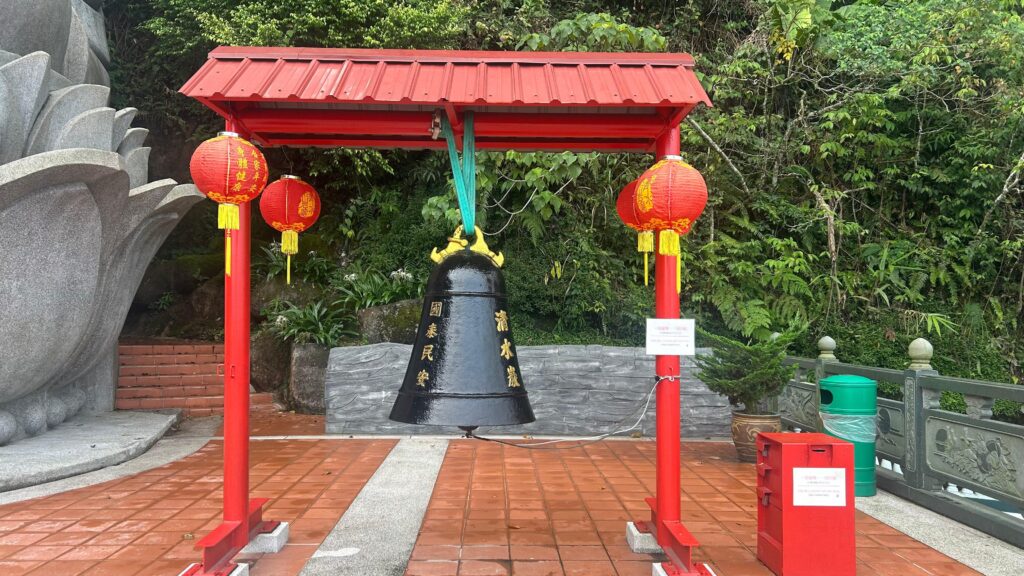
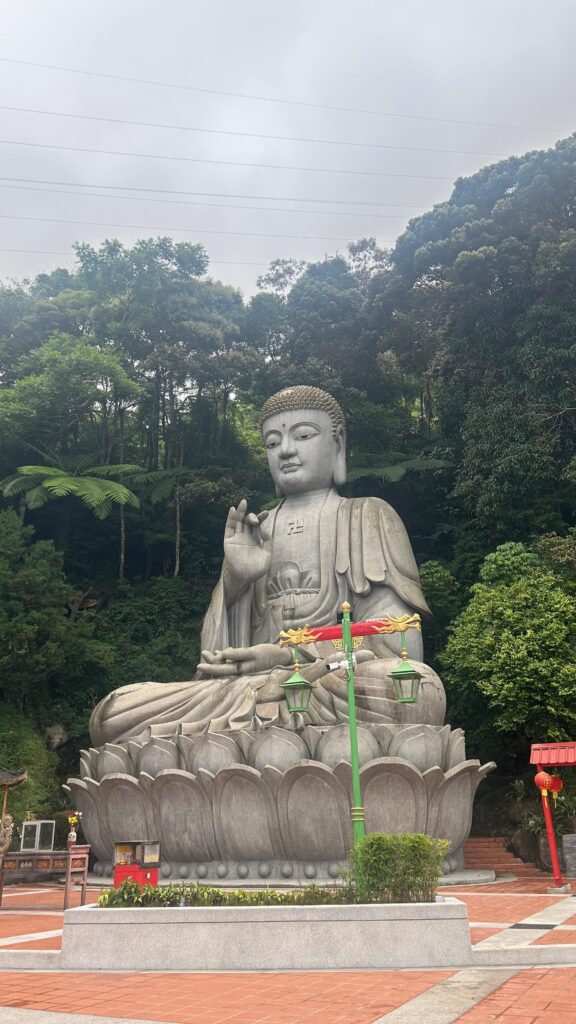
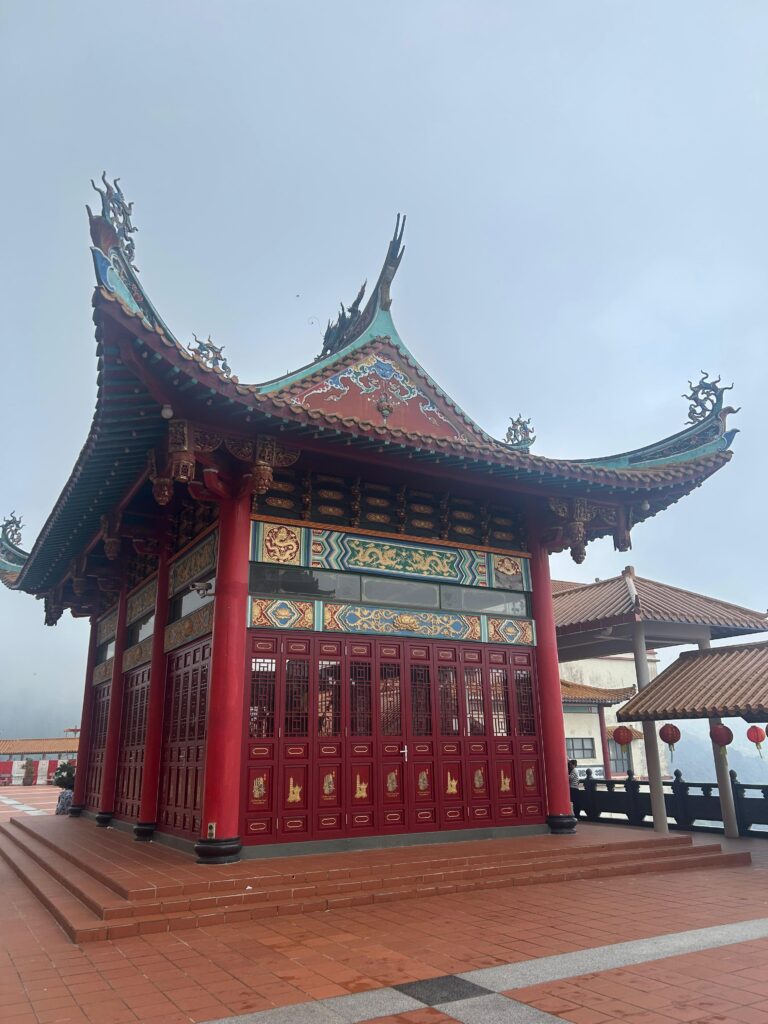
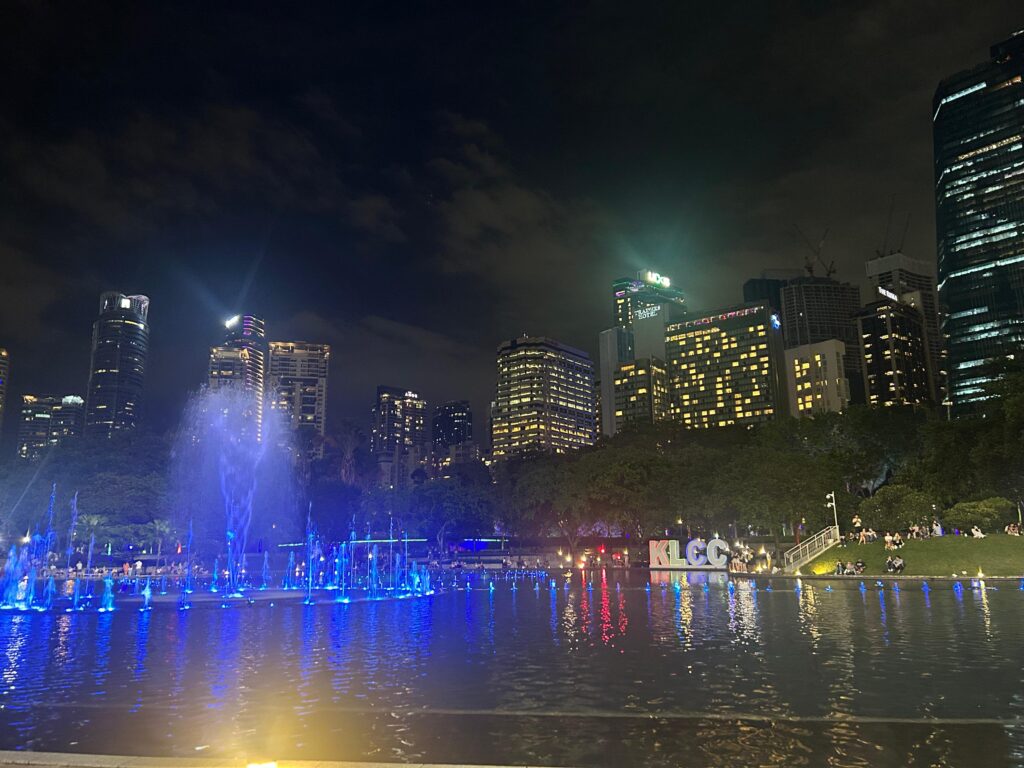
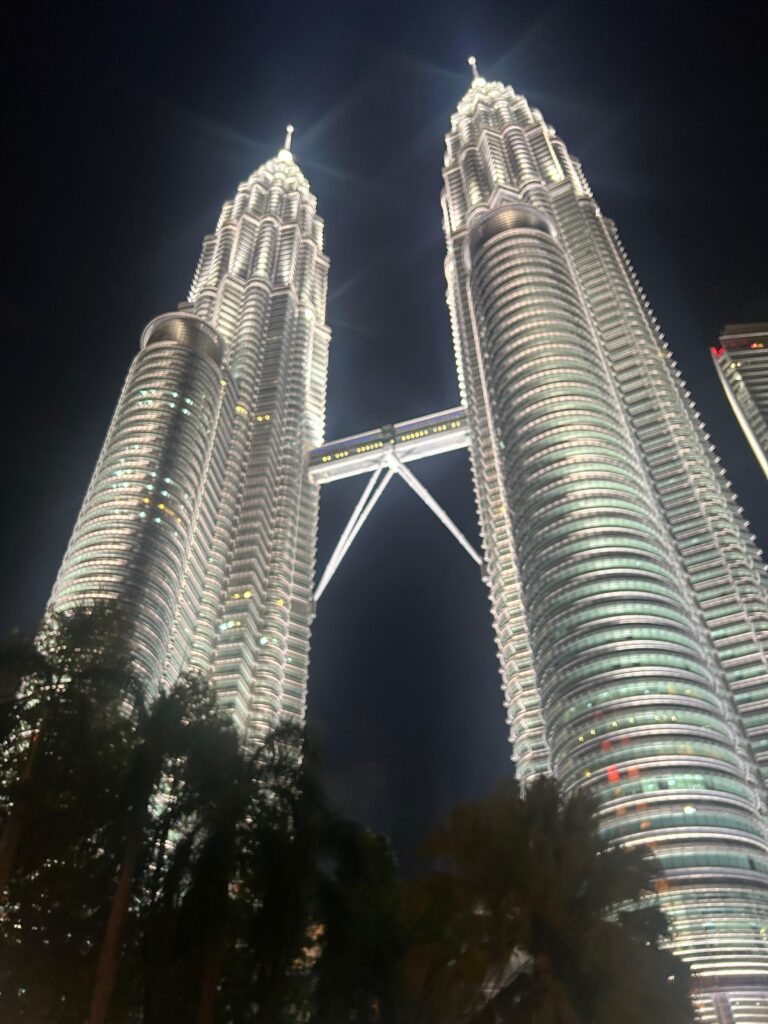
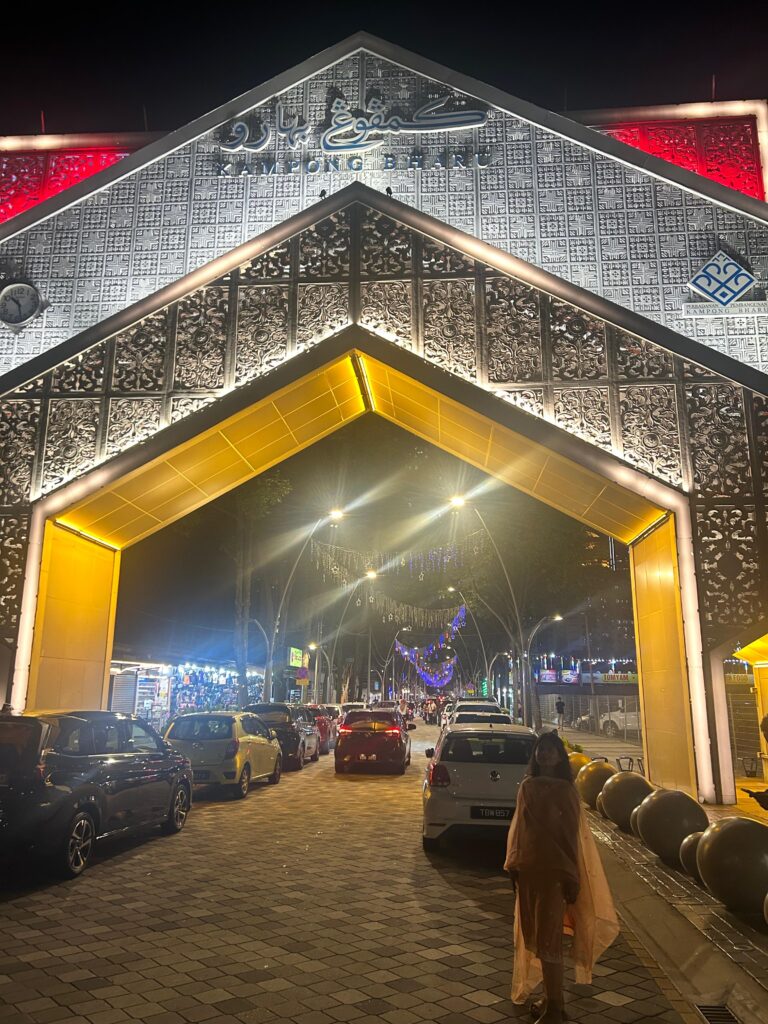
We came back to the city to visit iconic Petronas twin towers/ KLCC, the tallest building in the world for a brief period. It has become so famous that people often associate these towers as a symbol of Kuala Lumpur. Below the building is KLCC park where light show happens during the late evening. The view of the towers during dusk is delightful and aesthetically pleasing with blazing silver colour. We also stopped by Kampung Baru, which is one of the costly neighborhoods and special place for Malay politics during pro-independence movement.
Day 6:
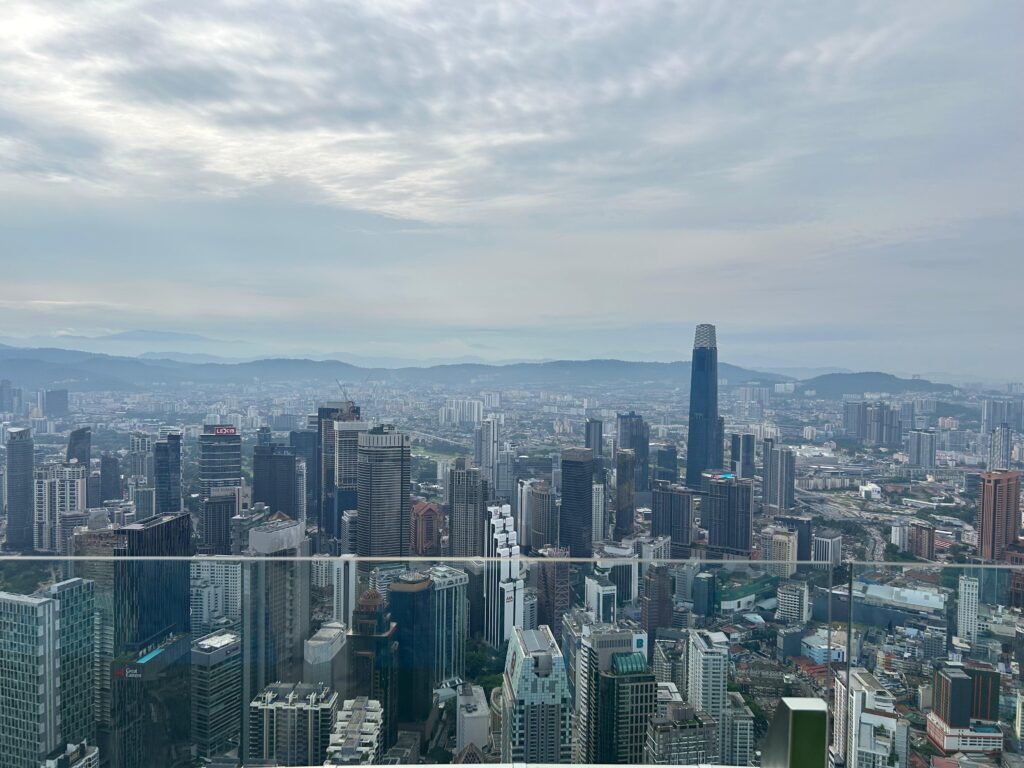
We accidentally booked the all-pass ticket to the KL tower for next day in look just after the midnight in look. We were lucky enough to be allowed inside even though klook team mentioned same day redemption is not allowed. it is one of the tallest telecommunication towers in the world. From the SkyTerrace we get a birds eye view of the entire city with all of its skyscrapers stealing the show. A glass floored box is also present to get a thrilling experience in the midst of sky. After the experience of Sky Terrace, observation deck felt inferior as its controlled environment and closed. Nevertheless, we could perceive minute details of the city using the scope in observation deck. The detailing view of Petronas, Merdeka 118 and their neighbourhood wouldn’t have been possible. I was even able to spot the Merdeka stadium and the old International airport.
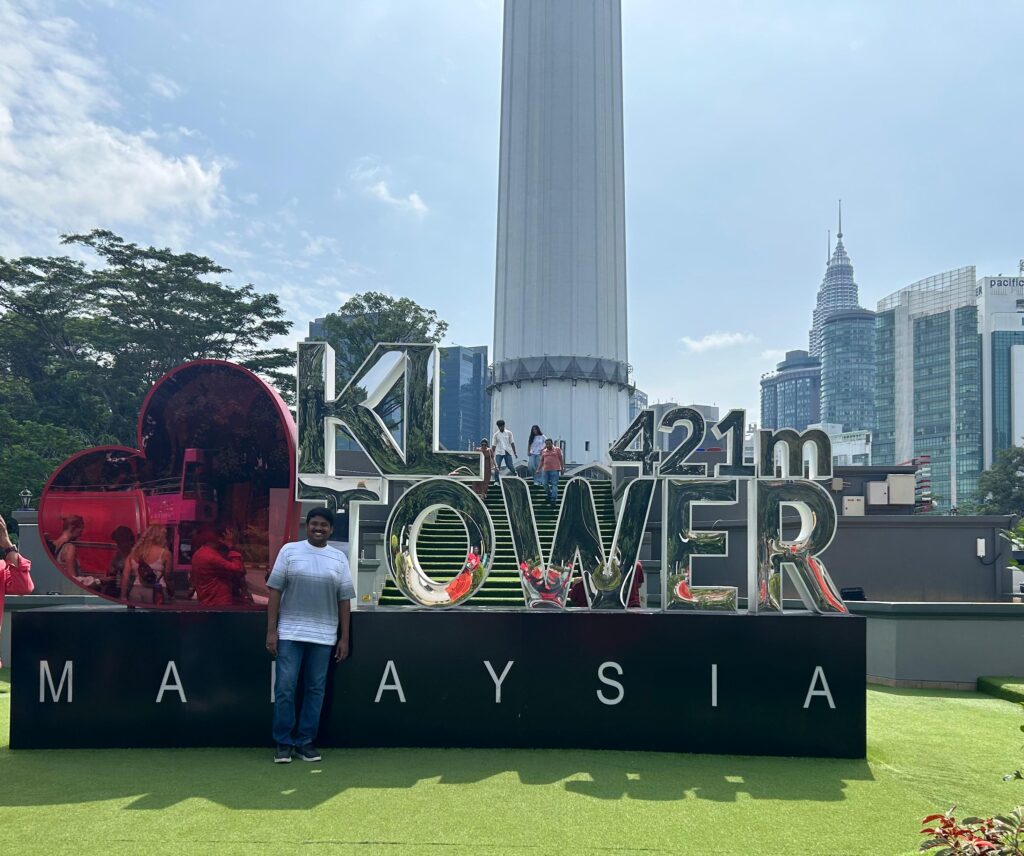
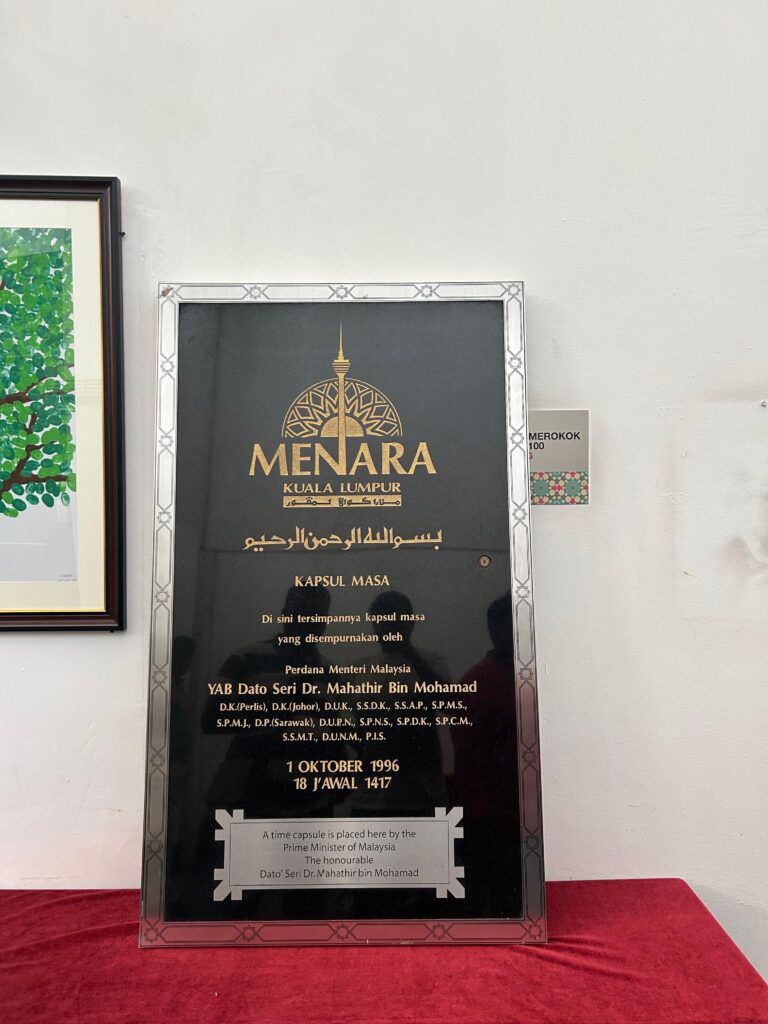
There is one person that Malaysians credit their country’s significant modernisation and economic growth – the country’s longest serving prime minister Dr Mahathir Mohamad. Both the KL tower and Petronas towers projects were initiated during his regime. He is credited for boosting tourism in Langkawi. The establishment of Putrajaya was also his idea, a true visionary. He was a vocal advocate of Asian values a contemporary to Lee Kuan Yew of neighboring Singapore. In 1996, As part of his vision 2020 to envision Malaysia as a developed country and its aspirations he laid a time capsule. He lived long enough to open it himself and didn’t expect when he planted it. A few days ago, at the time of this writing he became a centenarian.
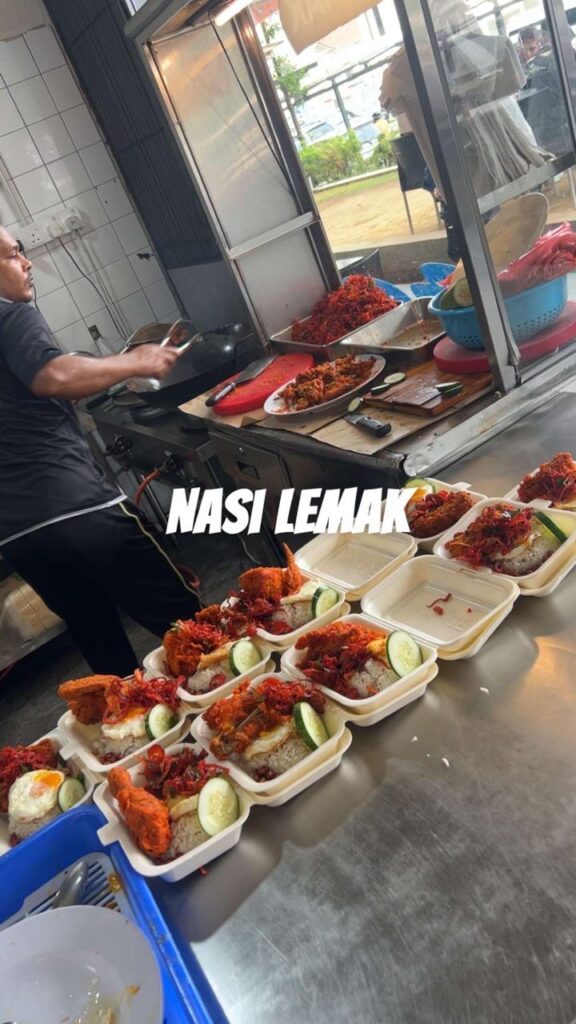
We spent the rest of the day shopping at Plaza Low Yat – shopping centre for electronics and IT equipment and Berjaya Times Square, one of the largest shopping malls with many retail stores and food joints. We went to KFC and tried the famous Nasi Lemak, which is considered as the national dish of Malaysia (served with rice, chilli paste, cucumber, egg and peanuts) with a KFC touch of fried chicken. It felt like a truly balanced diet.
Finally it’s time to say goodbye to Malaysia – Truly Asia, a true cosmopolitan country with people of multiple ethnicities and geographical diversity. Penang is some place I wish we had visited. One more interesting part is the Borneo side of Malaysia (East Malaysia) which I look forward to explore in the future.
Until next time….