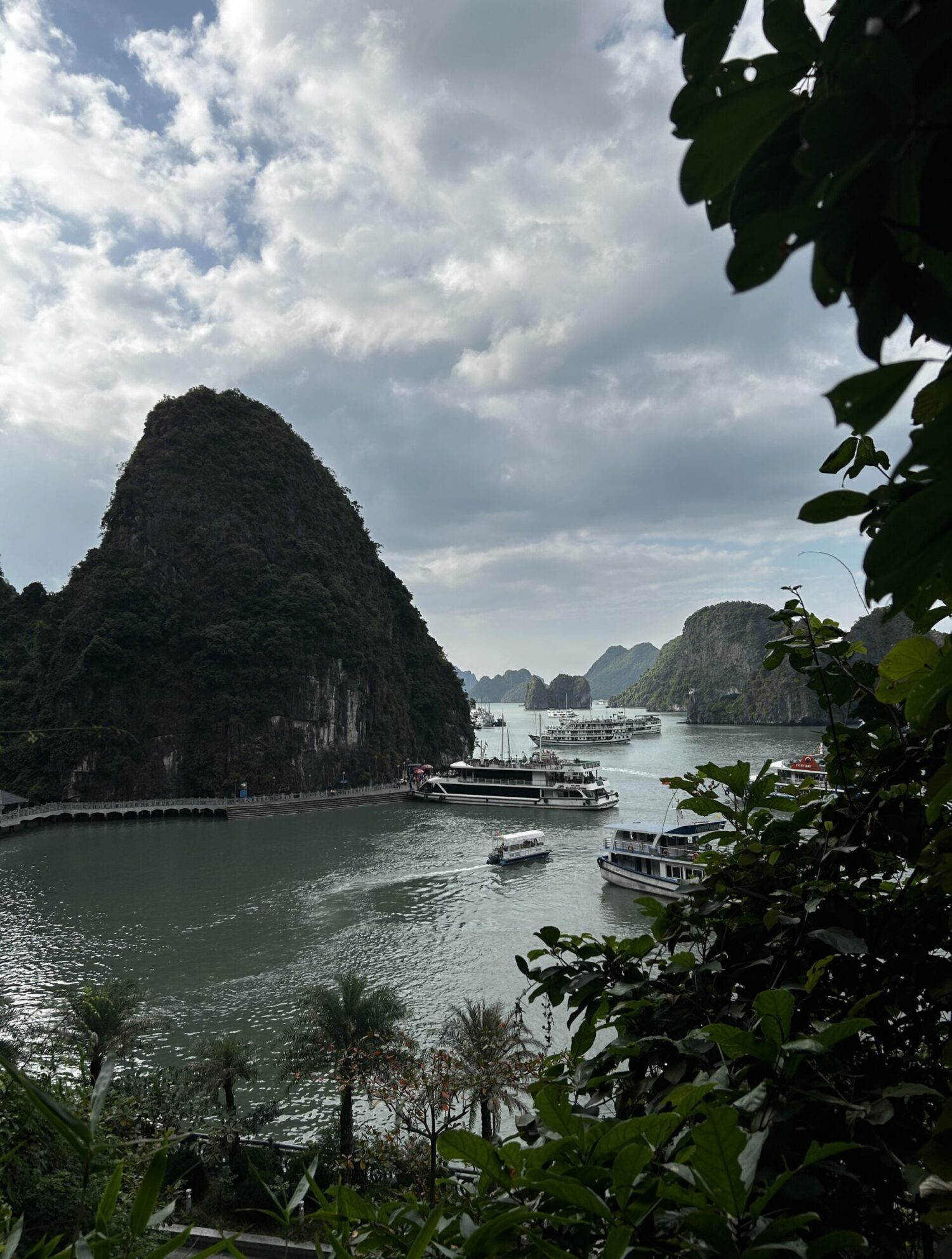
I had been to Visakhapatnam/Vizag a couple of times before but never got to experience the real beauty of this place and adjoining tribal areas in the Eastern Ghats. This trip has been on our bucket list for some time now. Finally, time is ripe to escape from the mundane life and all the uncertainties going on around us and unleash childlike naughtiness before mother nature.
Day 0:
We were supposed to start around 9:30 PM from Vijayawada in AP Express, but unfortunately, it got delayed by more than two hours which made our chances of boarding the “Vizag-Borra Guhalu train” bleak the following day.
Day 1:
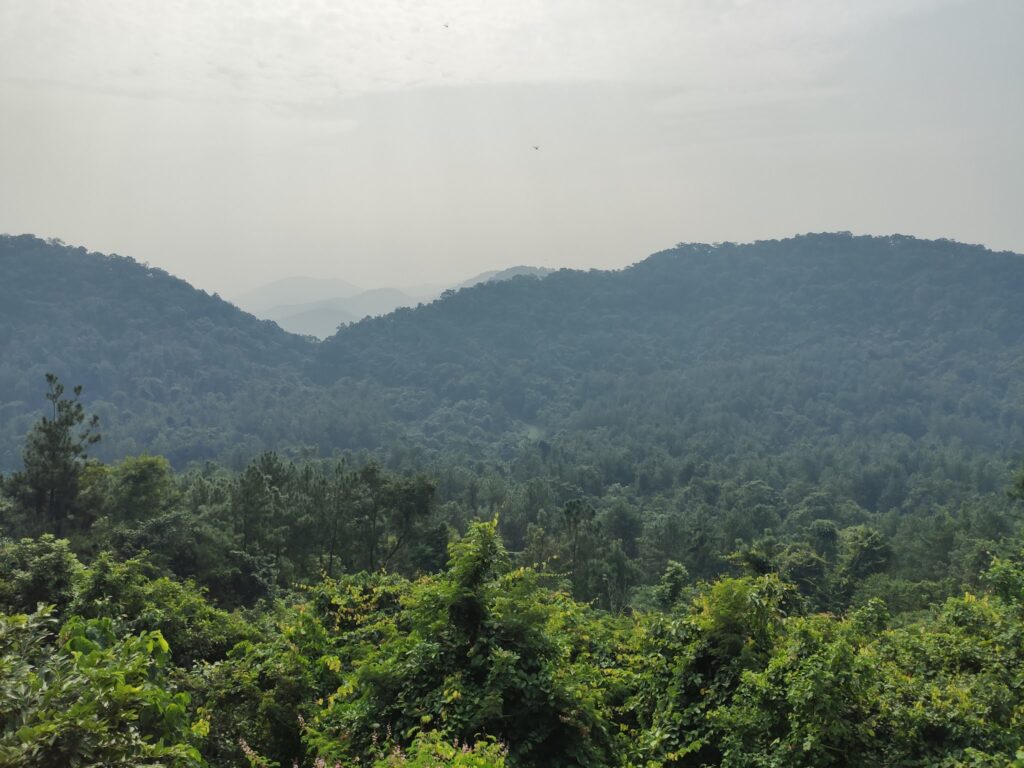
As expected, the train to Borra Guhalu had already left by the time we reached Visakhapatnam junction. We headed to the AC Lounge to freshen up. Sofas are cozy to sit and relax, but the washroom was not at all good. Since we missed our train, we started in a Force traveler from the railway station. Roads are not that great and added to that is heavy traffic. Our first stop is “Damaku viewpoint“. You get a glimpse of cloudy hills camouflaged with different saturations of green hues. In the valley, amidst all the hills a tiny hamlet is visible. Viewing into the horizon, a reservoir of water is visible naturally surrounded by hills.
We proceeded towards Katiki waterfalls. We had to park our vehicle close to the “Muliguda-Borra Caves road” and take a Jeep to reach the waterfalls’ base point through rugged terrain feeling topsy-turvy. There is a different route to reach this other than the Borra Caves one. From the base point, it’s a short trek of 15-20 minutes crossing a railway track in between. Not far from there, a railway tunnel is also present. Katiki offers an amazing view of cascading waterfalls from more than 100 feet with a little pond of knee depth. A gushy stream with full thrust will let you barely breathe and standstill but the pond and boulders let us relax for some time.
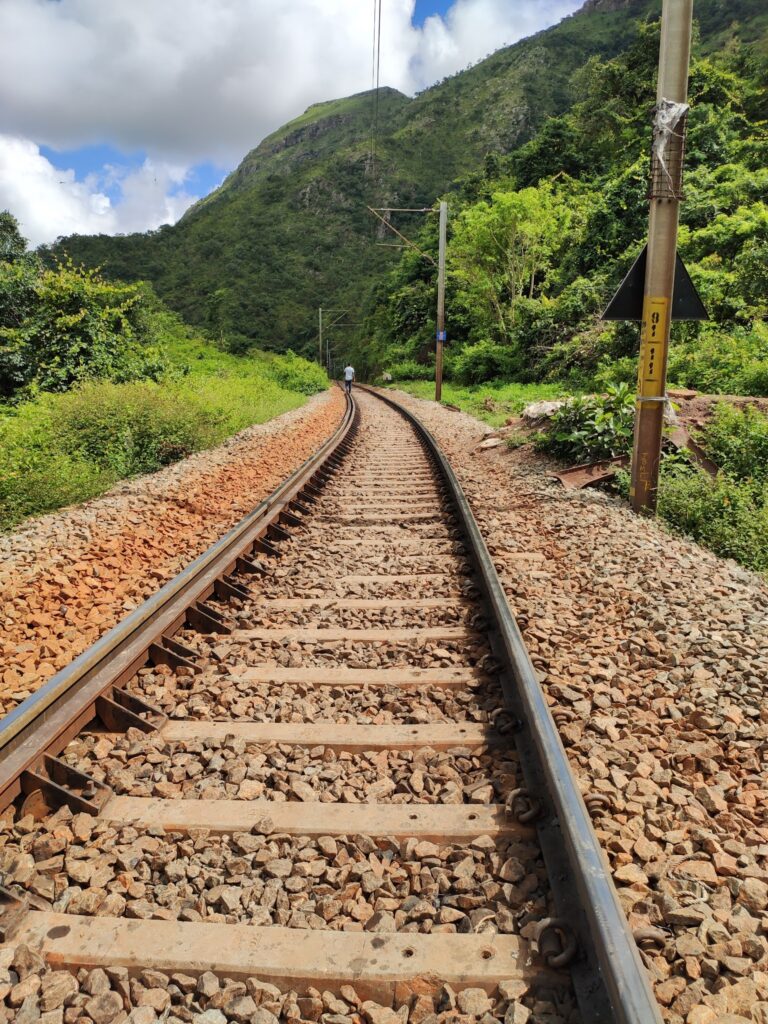
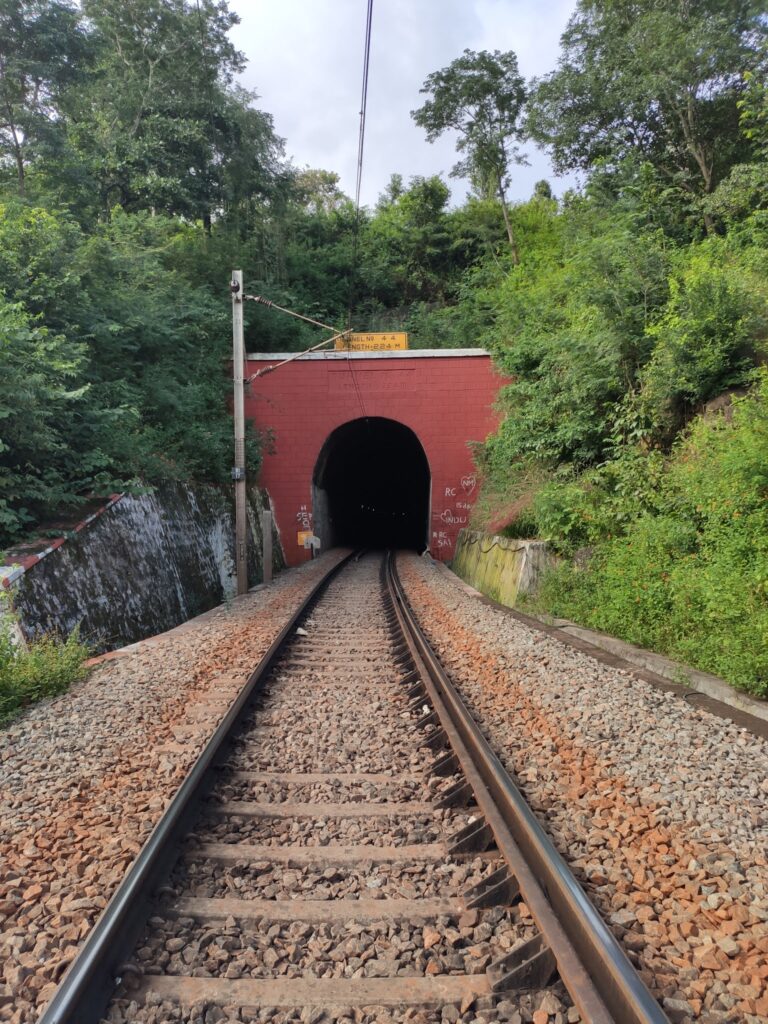
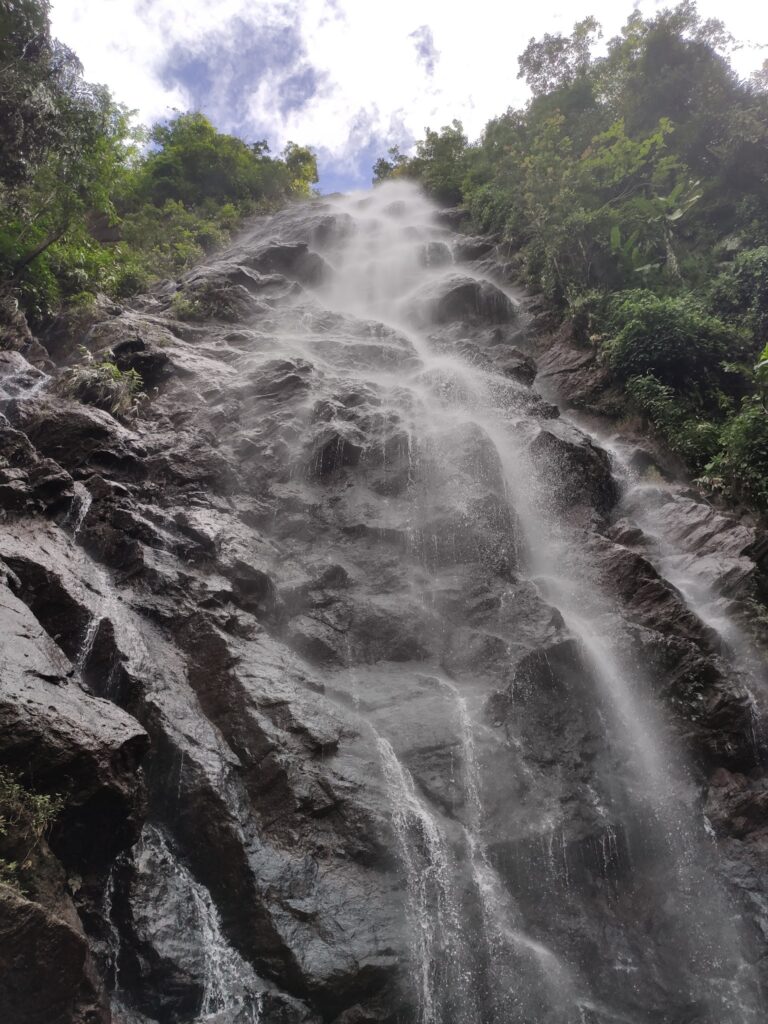
On the way to the waterfalls, there are small shacks selling sweet corn spiced up with chili powder and lemon, “Cheekulu” (chicken kebabs), and Bongulo chicken. One mustn’t miss this delicious cheekulu and we ended up eating them umpteen times through our entire trip.
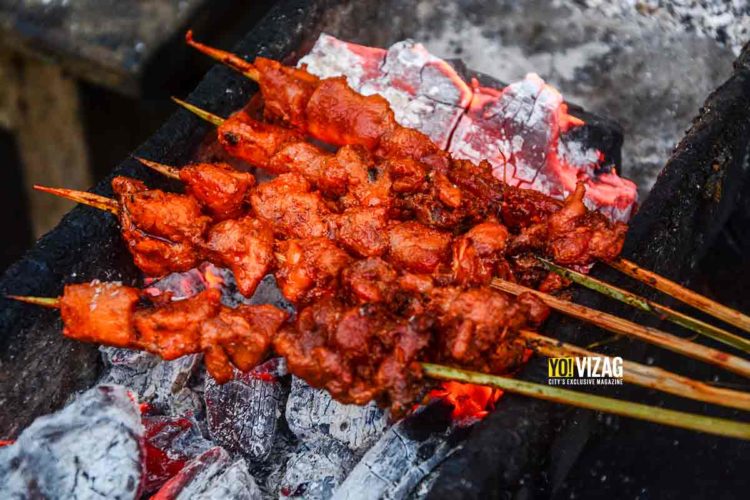
Photo Credits: yovizag.com
The next destination is Borra Guhalu (Borra means a hole in Odia and Guhalu means caves in Telugu) which is not far from this place. For a movie buff like me, the first thing that strikes me when heard of this 150 million years old cave in Ananthagiri hills is Megastar’s flick “Jagadeka Veerudu Athiloka Sundari”. Beautiful stalactites and stalagmites formed from water dissolved calcium trickling drop by drop is truly a spectacle. This process has been happening for millions of years and is still active amazes me about the beauty of nature. These are considered the deepest caves in the country with a lot of steps. AP Tourism department arranged some lamps which further enhanced the beauty of the caves and rock formations. A steep way upwards inside the cave is present to reach a temple where a naturally formed stalagmite lingam is present which could be a part of the pagan tradition of worshipping the nature surrounding us. The calcium deposits and formations inside the cave look like different interesting structures.
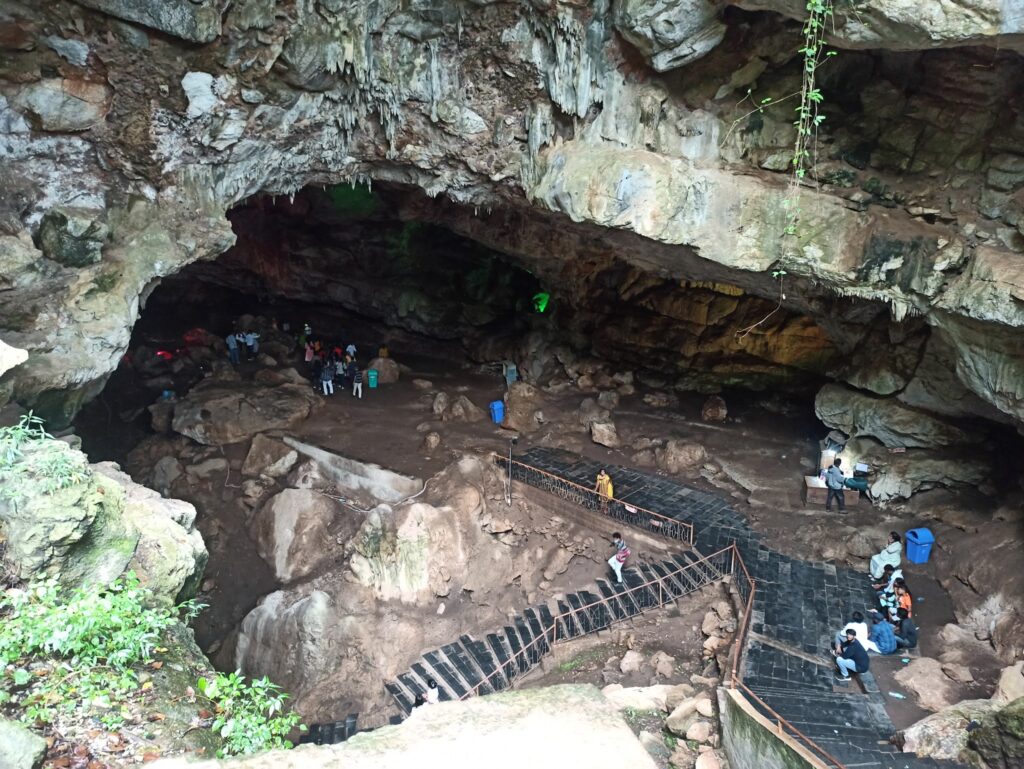
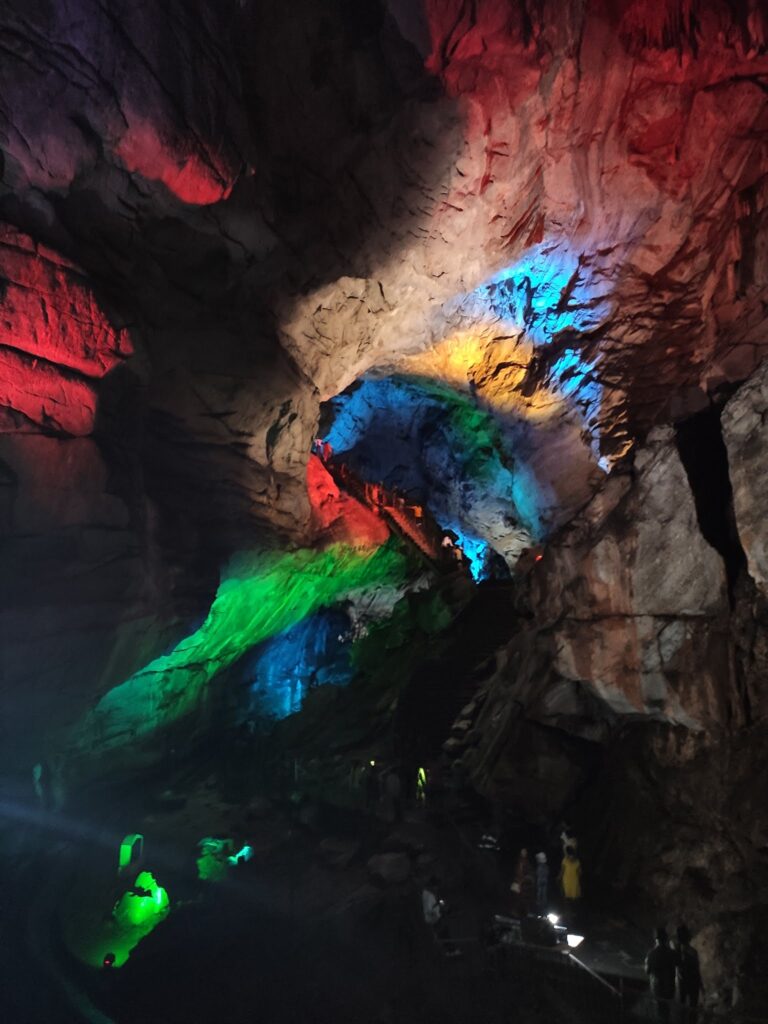
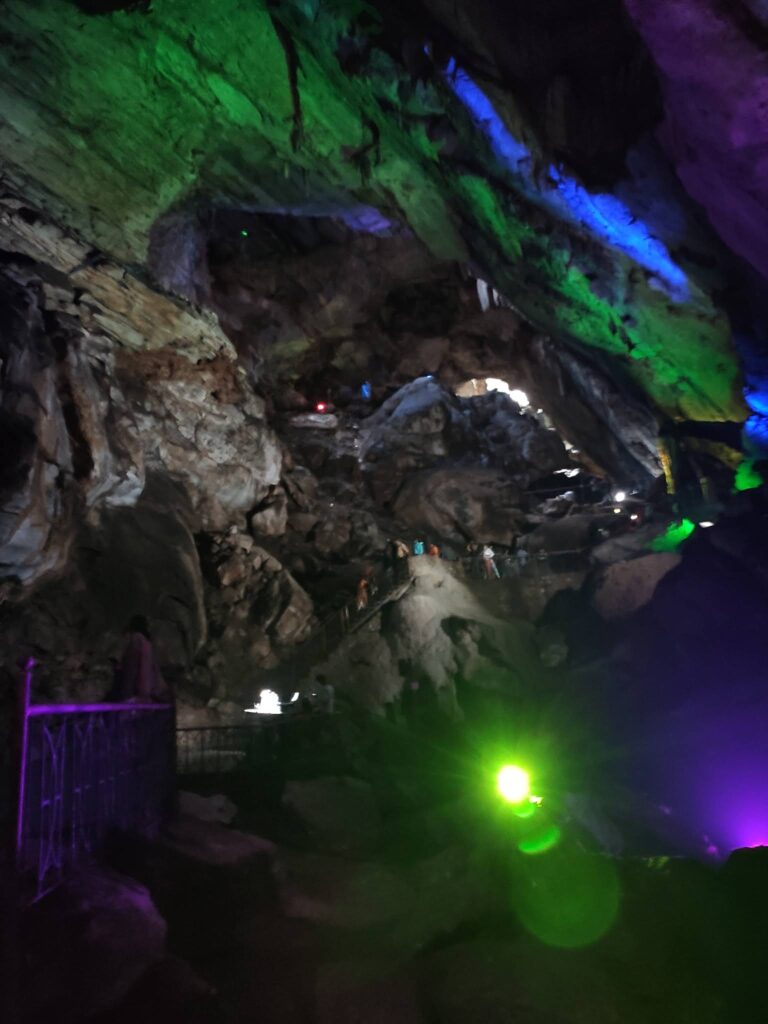
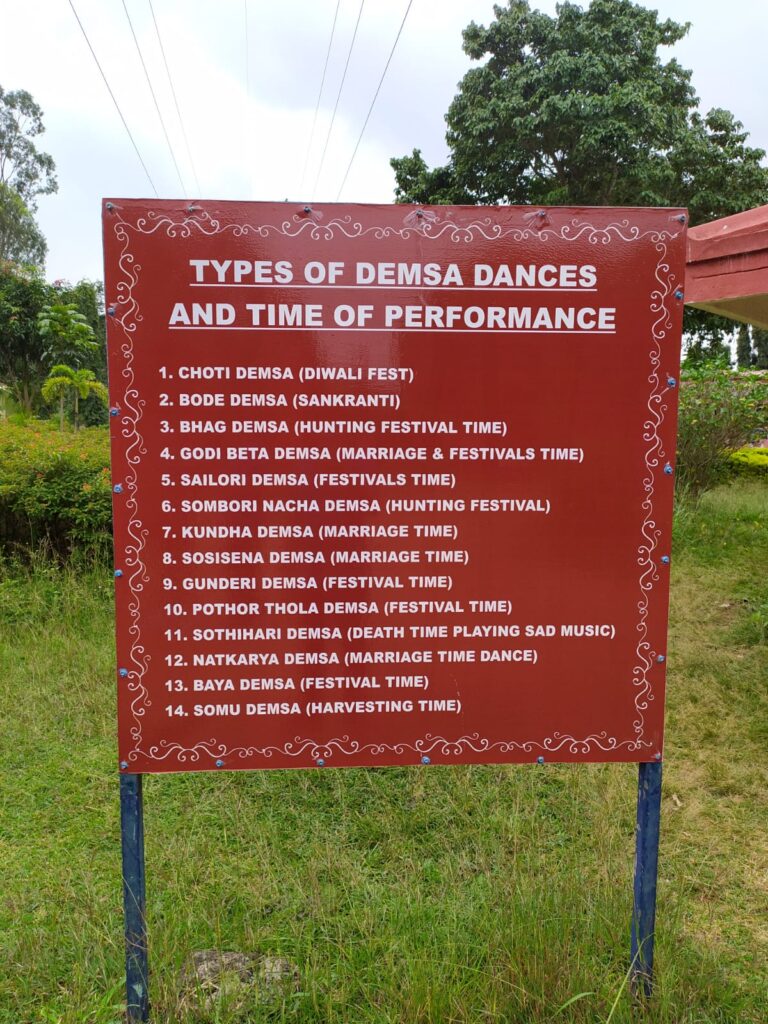
We were supposed to visit one more viewpoint on our way to Araku valley but the dusky evening set in. We reached Araku valley and had our stay booked at Le Q Inn which is behind the RTC complex and a bit far from the main road. I was expecting to see the traditional tribal dance form of Dhimsa but is available only in bigger hotels. Since the hotel is a bit far from the main town, we couldn’t find any place to eat nearby and had to order the food to get it delivered from the town. Mercury levels didn’t fall much through the night contrary to our expectations.
Day 2:
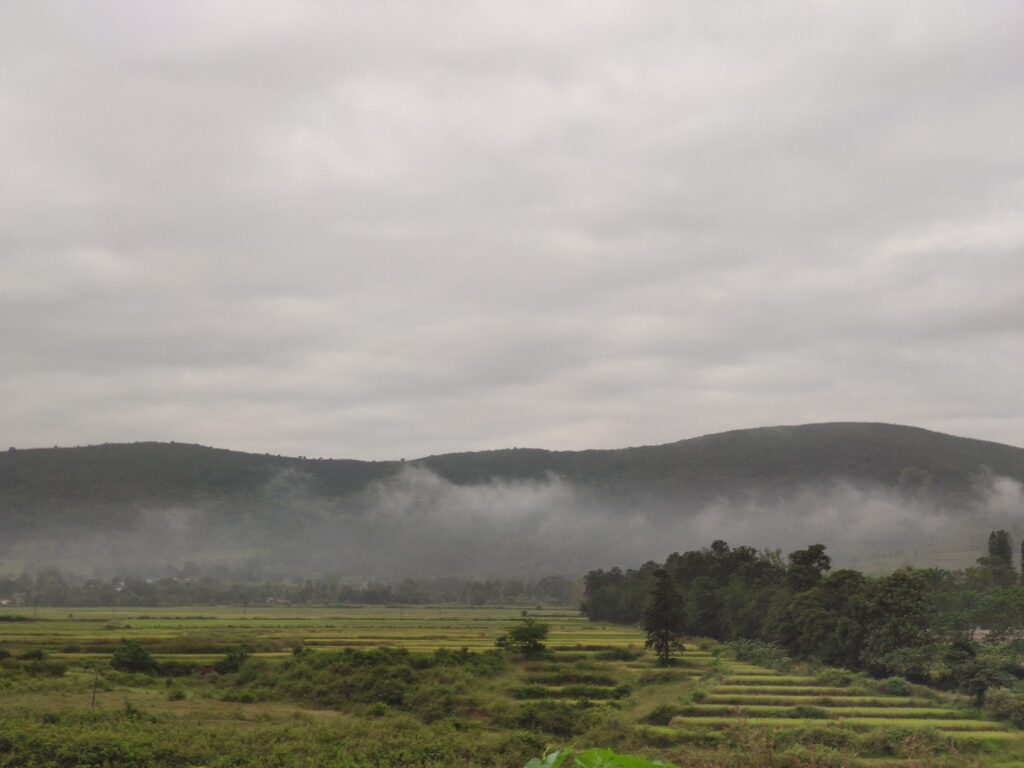
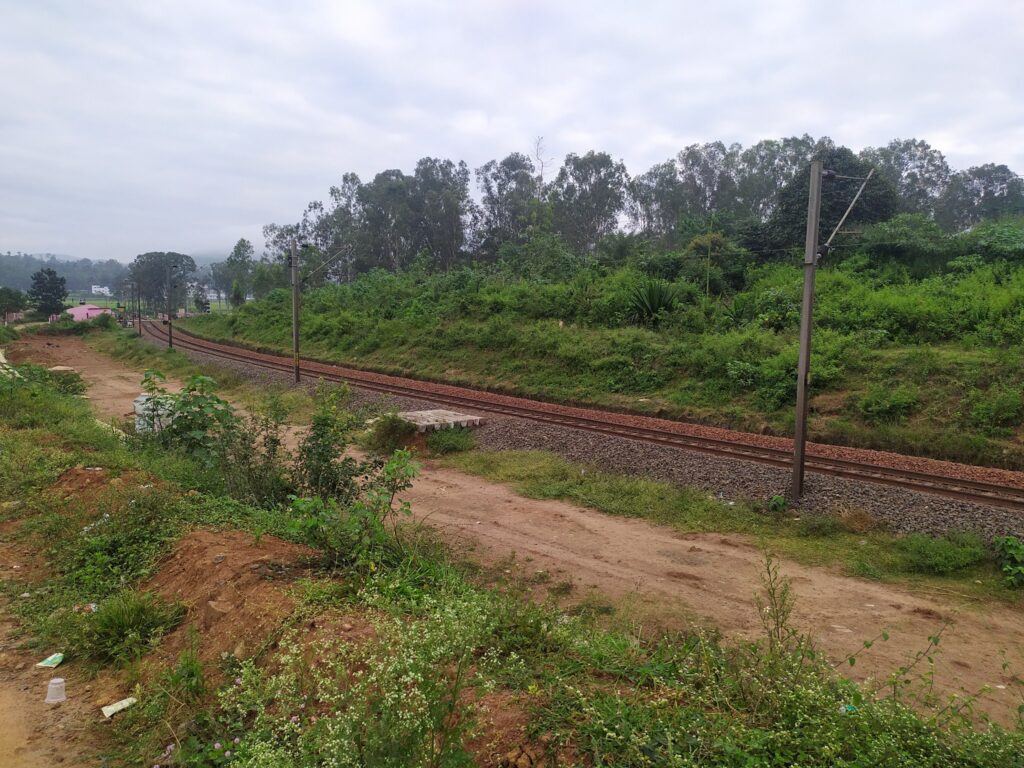
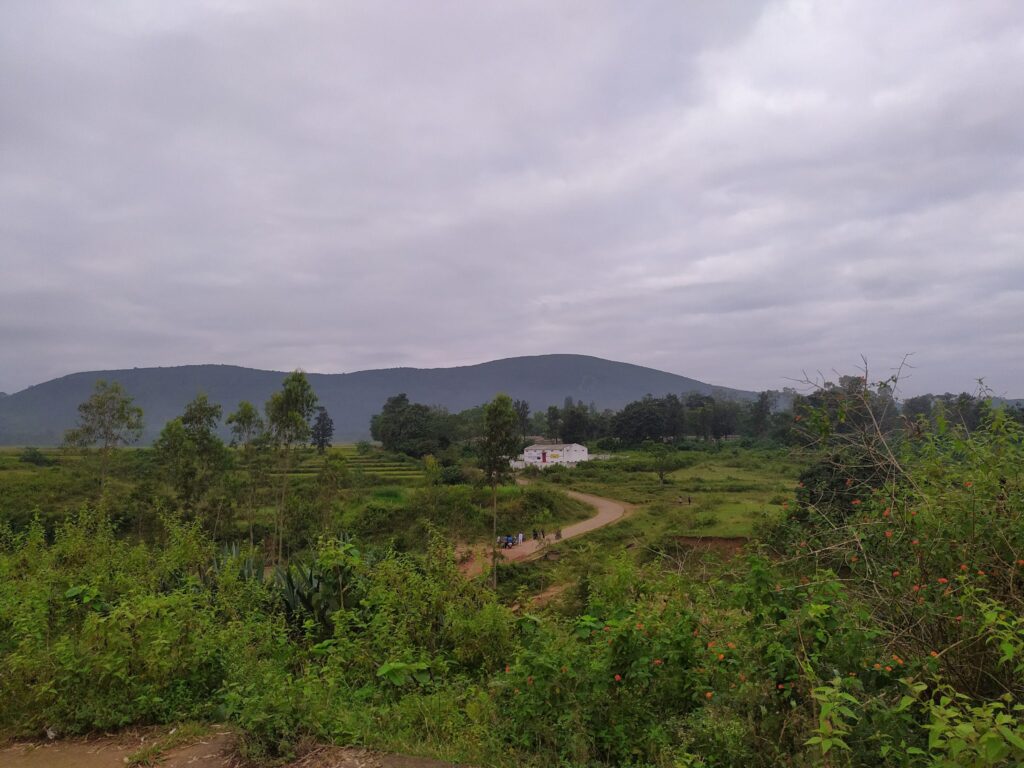
In the morning, had a stroll through the surrounding of our stay which looks amazing. Most of it is barren meadows with commercialization happening and a railway line close by.
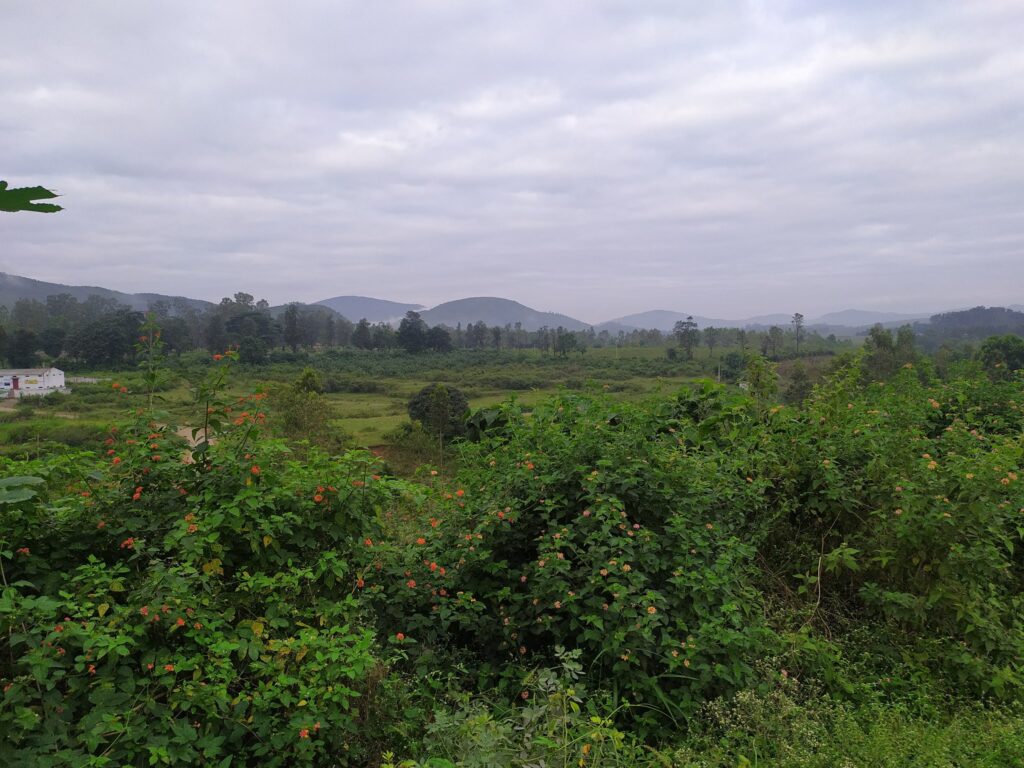
After fresh-up, we went to the coffee museum in the town. It’s a typical museum showcasing the history of coffee, discovery, the introduction of coffee to the Indian subcontinent and steps involved in the production. There is a cafeteria and also a shop selling chocolates, coffee, and some forest extracts.
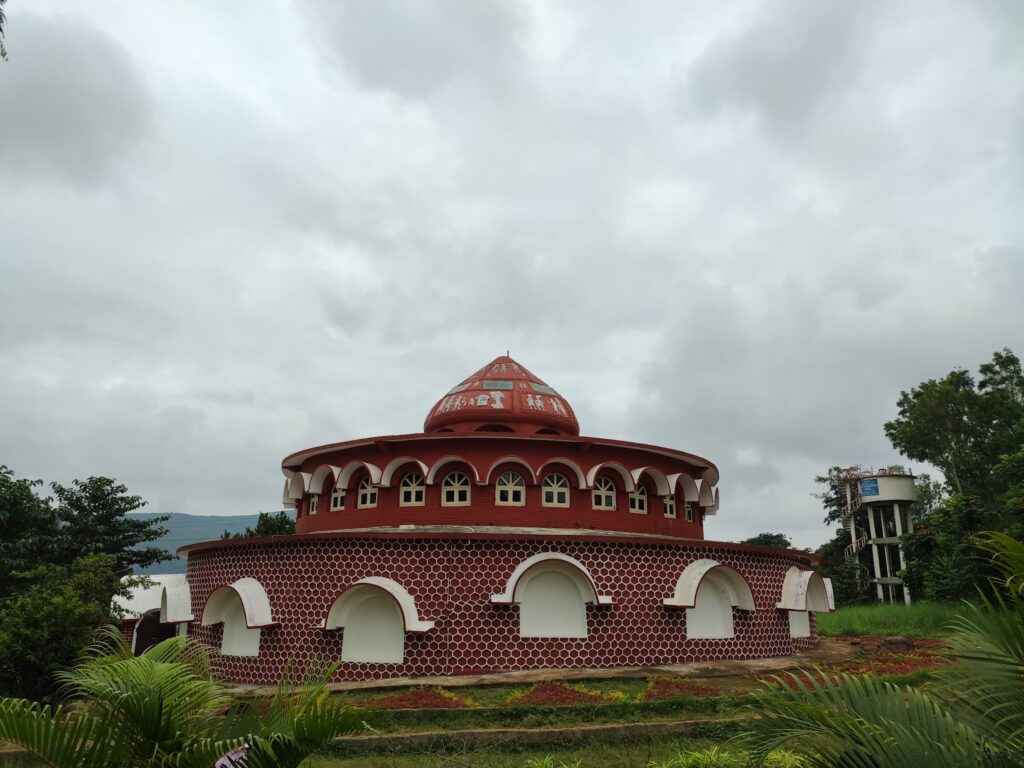
The tribal museum depicts the tribal culture and their way of life with some beautiful artworks. It looks well maintained with beautiful gardens and a children’s play area. Boating and zipliners are also present but currently seem to be defunct. It’s definitely a good place to visit mainly for families and kids.
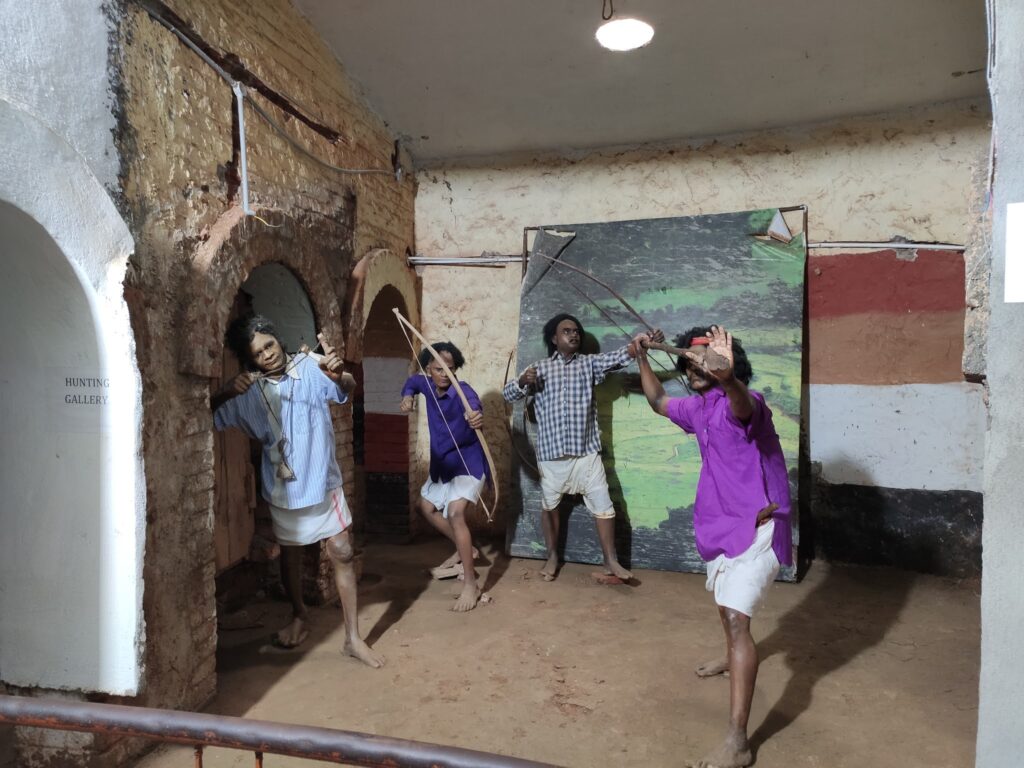
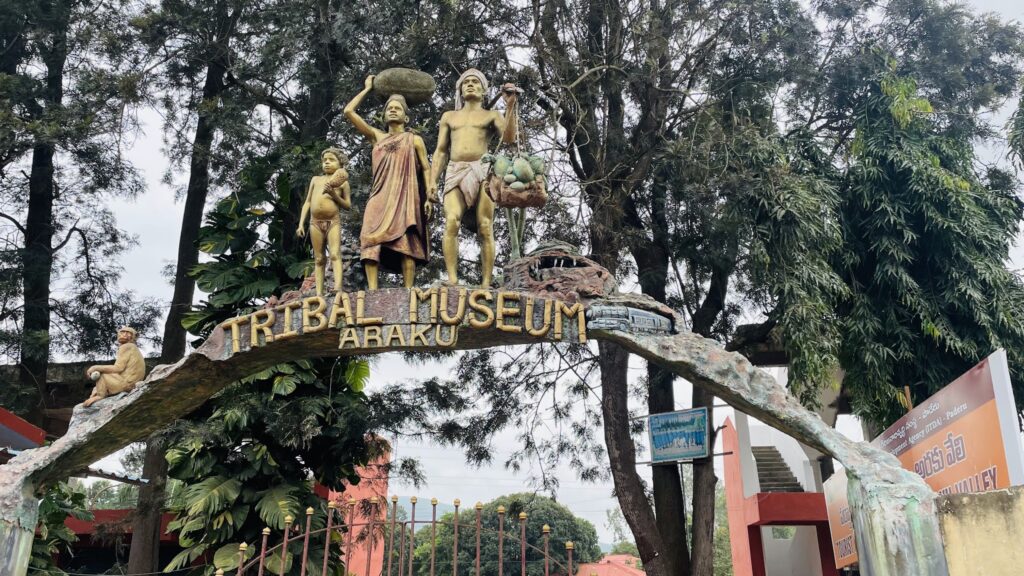
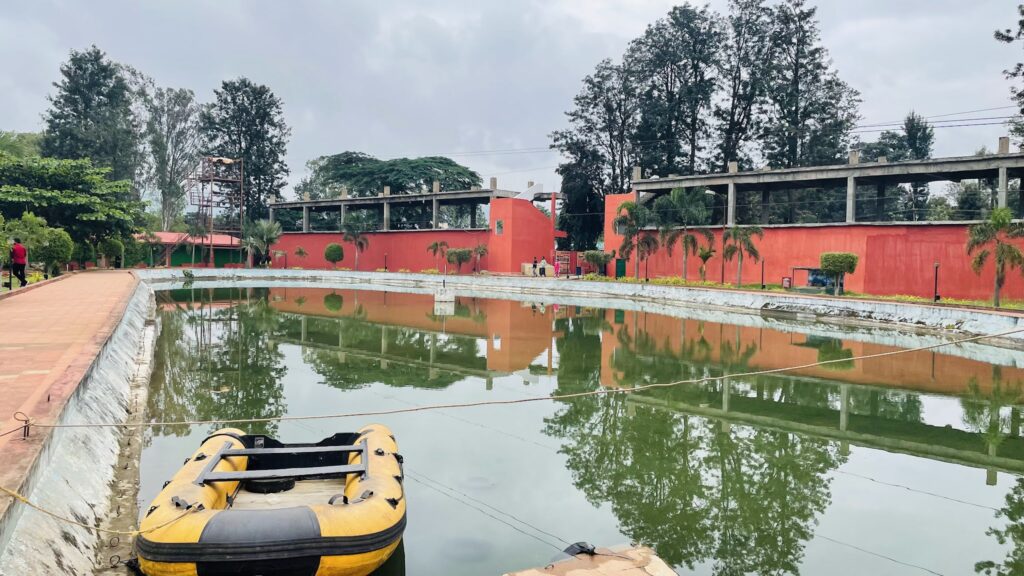
We had breakfast in a roadside stall and proceeded towards Chaparai waterfalls which is not far from Araku town. To my surprise, there are a couple of troops performing the tribal dance form of Dhimsa. The group performs the dance in circles with movements of feet and hands mainly to the beats of Dappu, Jodu kommulu, and other musical instruments. With a nominal amount per head, they would let us dance with them.
The waterfalls are a popular attraction with water flowing through wide rock formations. There is a place where people can playfully slide down. But one has to be careful as the water flow is heavy and the rock bed is not completely flat with some protrusions in between. One should avoid this in monsoon season which could get dangerous.
Further, on the Araku-Paderu road, a two-hour ride takes you to lesser-known Kothapalli waterfalls in G Madugula but arguably one of the best in our trip. This was found recently by the locals and is being developed and maintained by a registered committee of tribals in coordination with ITDA (Integrated tribal development agency). It’s well maintained and provides testimony that local tribes with the support of the government can do wonders. The waterfalls offer an amazing view but the bedrock is slippery and it is not advised to go inside.
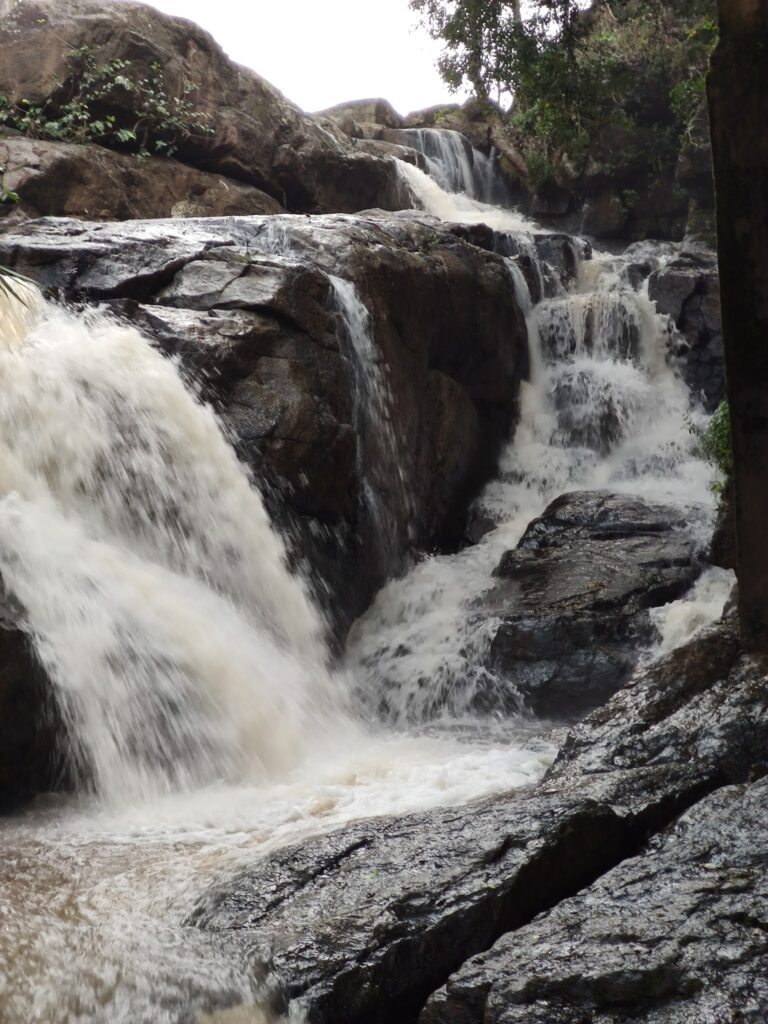
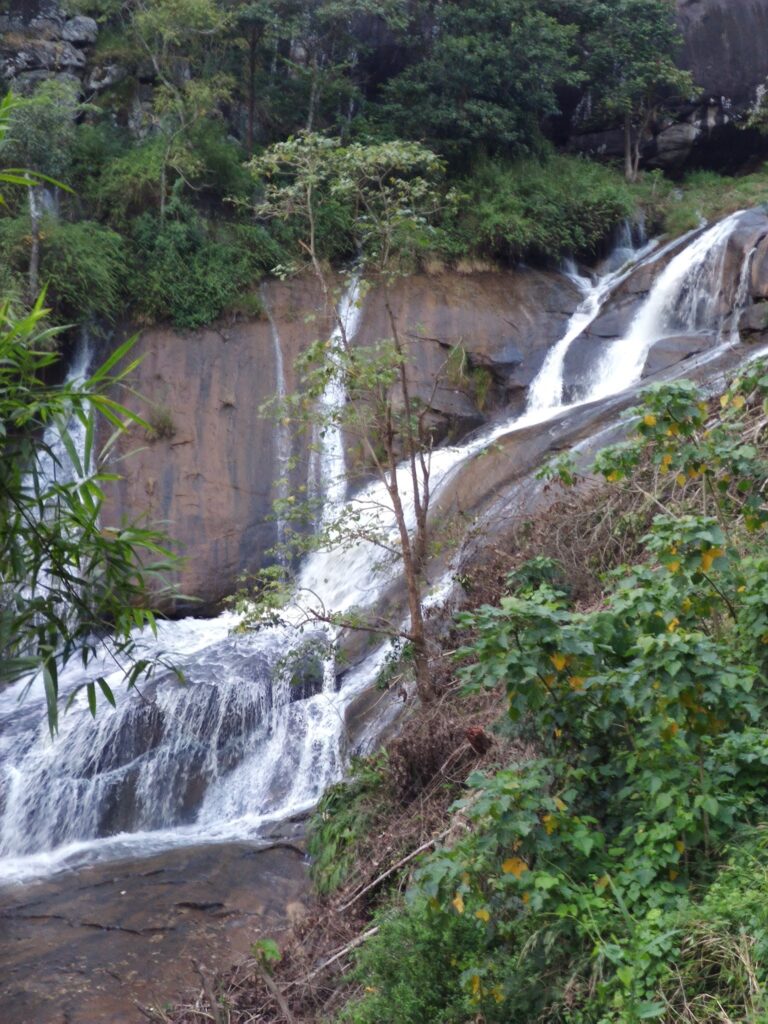
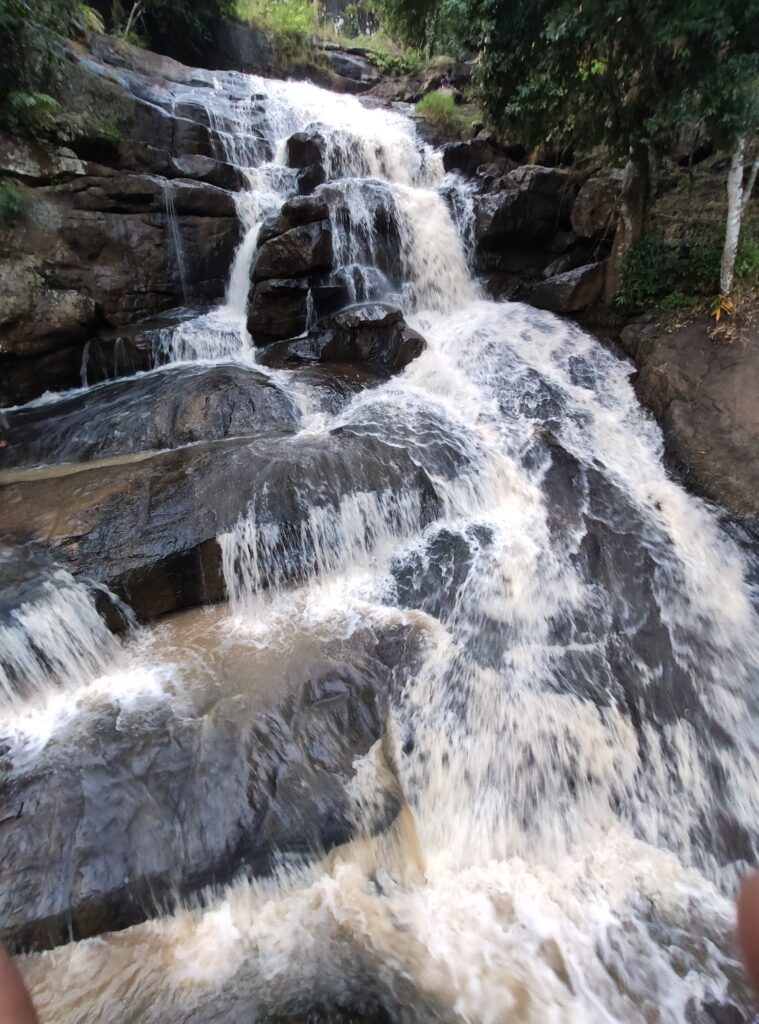
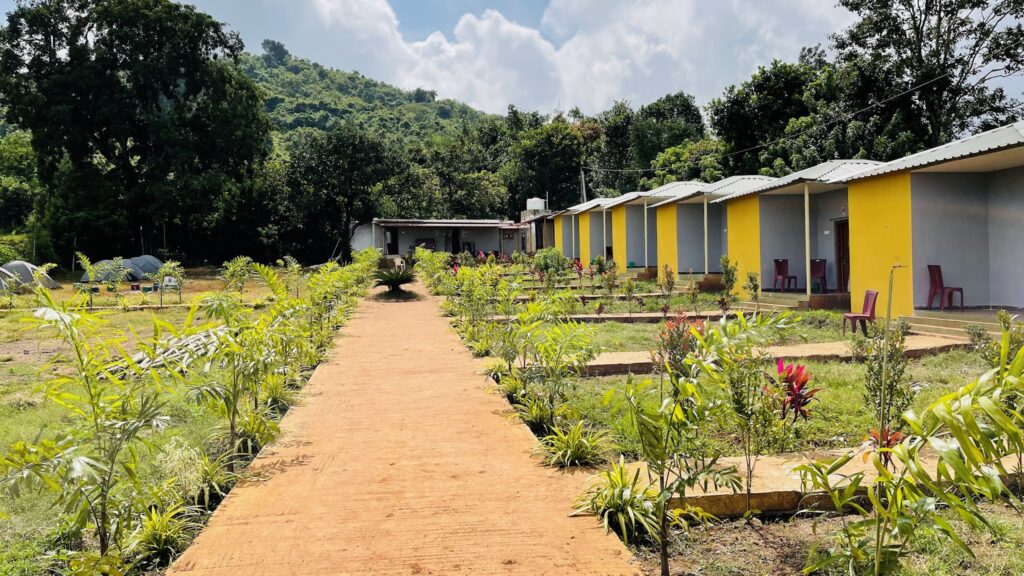
The next stop in our itinerary is “Andhra Kashmir” Lambasingi which has become famous recently for its sub-zero temperature. The best month to go is December and unfortunately, we couldn’t experience the low temperatures at the beginning of November. We stayed in a village called Labbangi close to Lambasingi in Meena resorts. They provided tents, as well as rooms. Food and a campfire will be arranged if needed. We were frankly disappointed as the temperatures were mostly normal. Nevertheless, it’s a memorable experience staying in tents amidst hills.
Day 3:
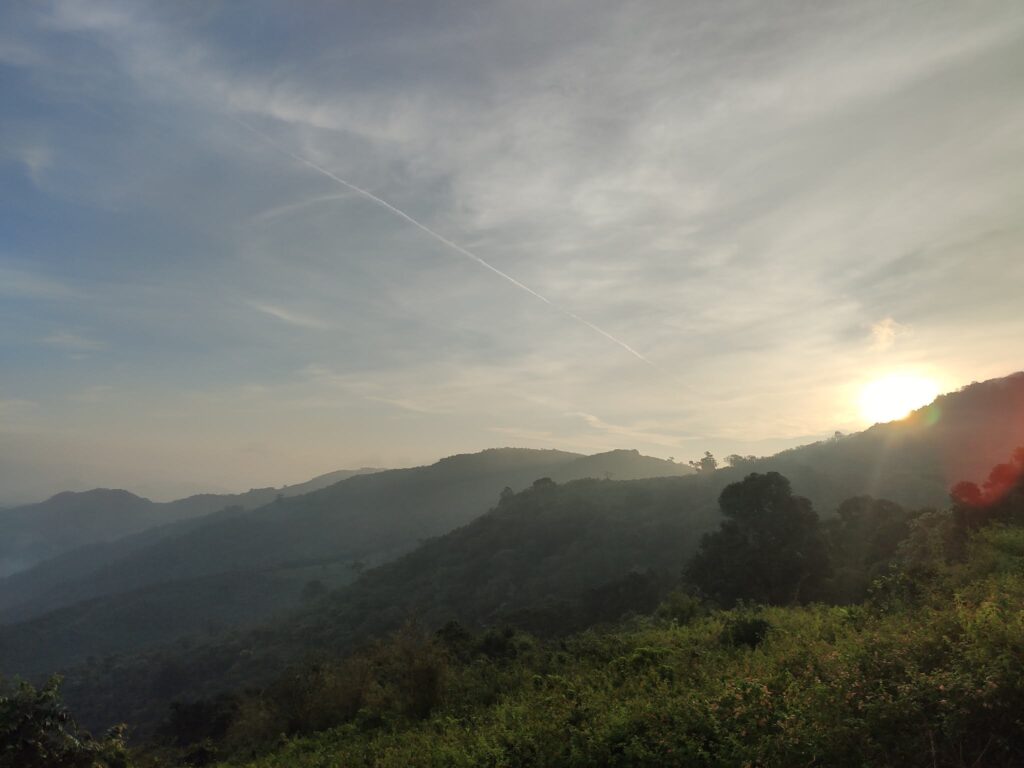
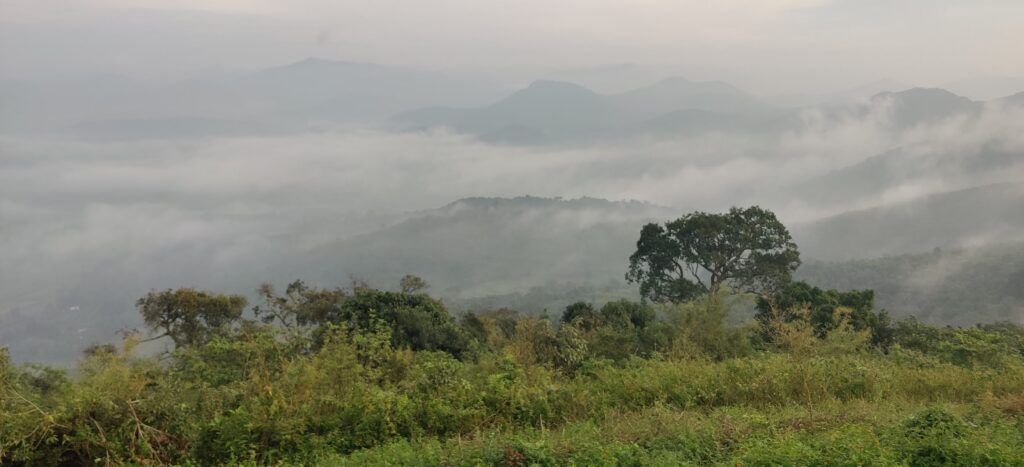
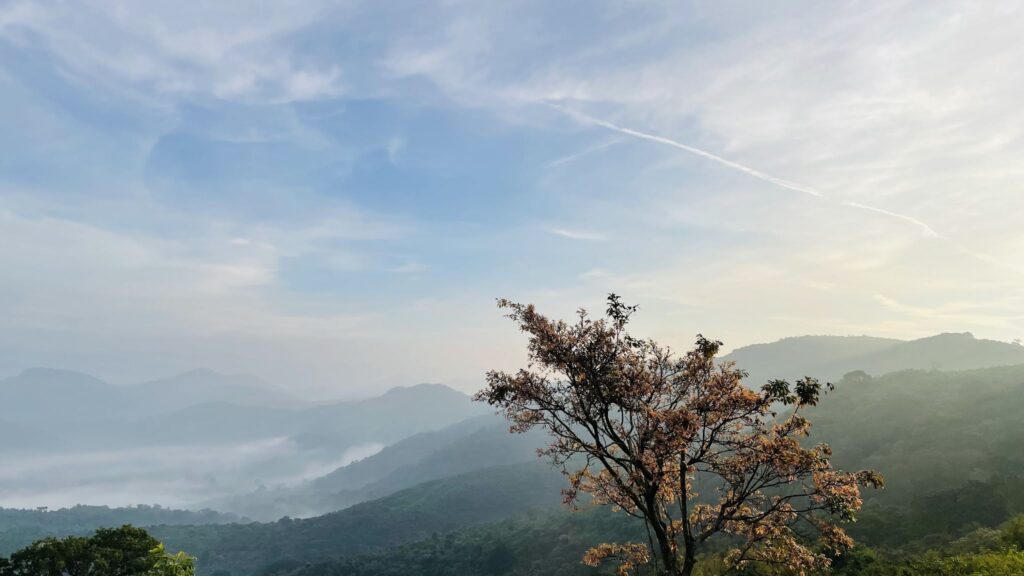
We woke up at 4 in the morning hoping to catch a sunrise view at the viewpoint. We were supposed to go to the Palasamudram viewpoint but ended up going to the Cheruvuluvenam viewpoint. The 3kmTrek is really arduous and tiring but it’s worth all the effort. An amazing view of milky white clouds floating and sunrise keeps you enthralled. It looks like the trek route and viewpoint surroundings are developed and maintained by the tribals of the hamlet close to the viewpoint and they are collecting a ticket fee. It would be good if the tribal committee maintaining this is registered and in collaboration with government agencies like ITDA, tourists wouldn’t feel like they are being charged unnecessarily and the efforts of the tribal community will also be recognized.
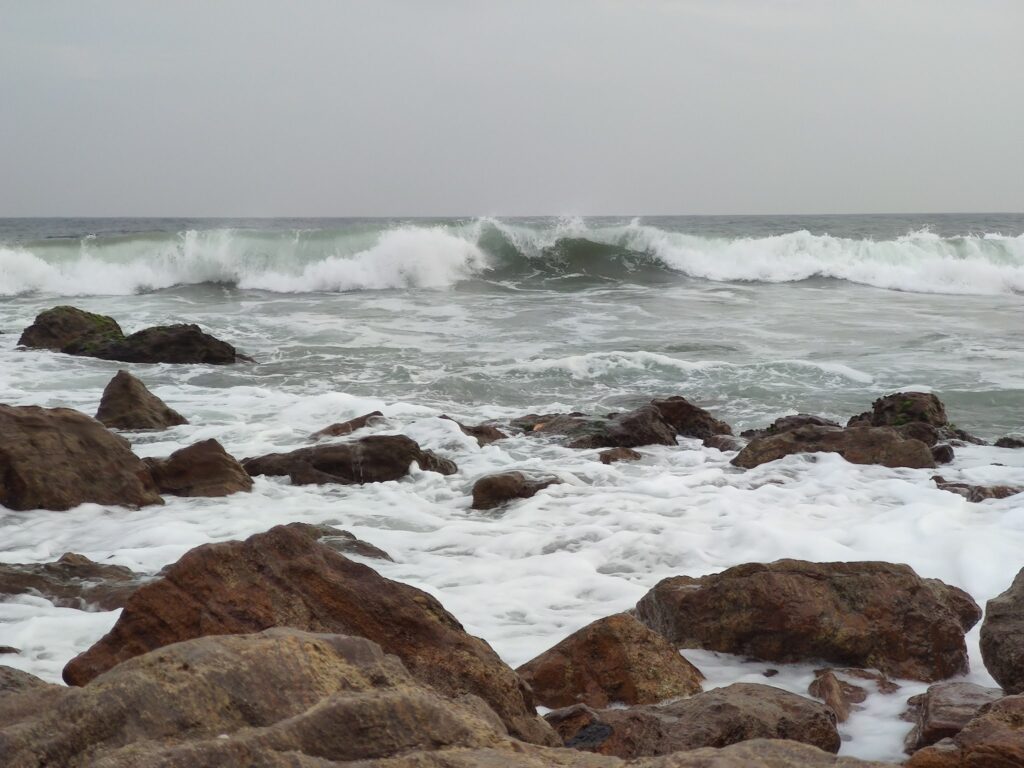
We started back to Vizag and reached Yarada beach. We need to cross a hill to reach it with a small forest. The beach is pretty clean without too many people.
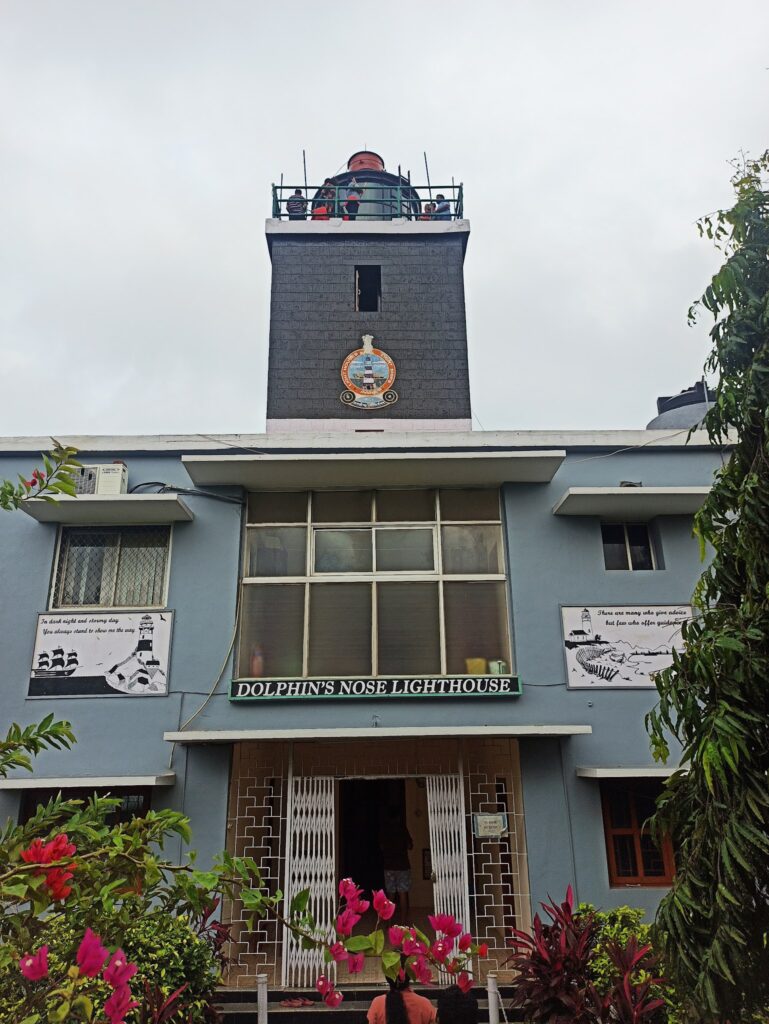
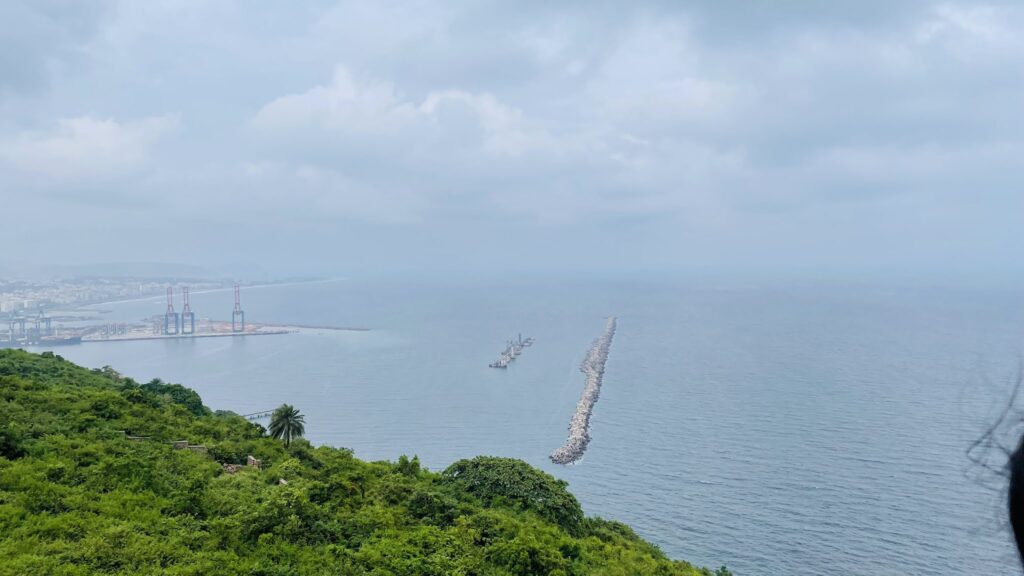
From there, we started towards Dolphin Nose lighthouse. We get to see Naval quarters on the way and the area seems to be pretty tidy, disciplined, and restricted. It is managed by the Ministry of Ports and well maintained. The lighthouse is roughly the height of a 4-5 storeyed building but offers a splendid view of the sea, ships, and skyline.
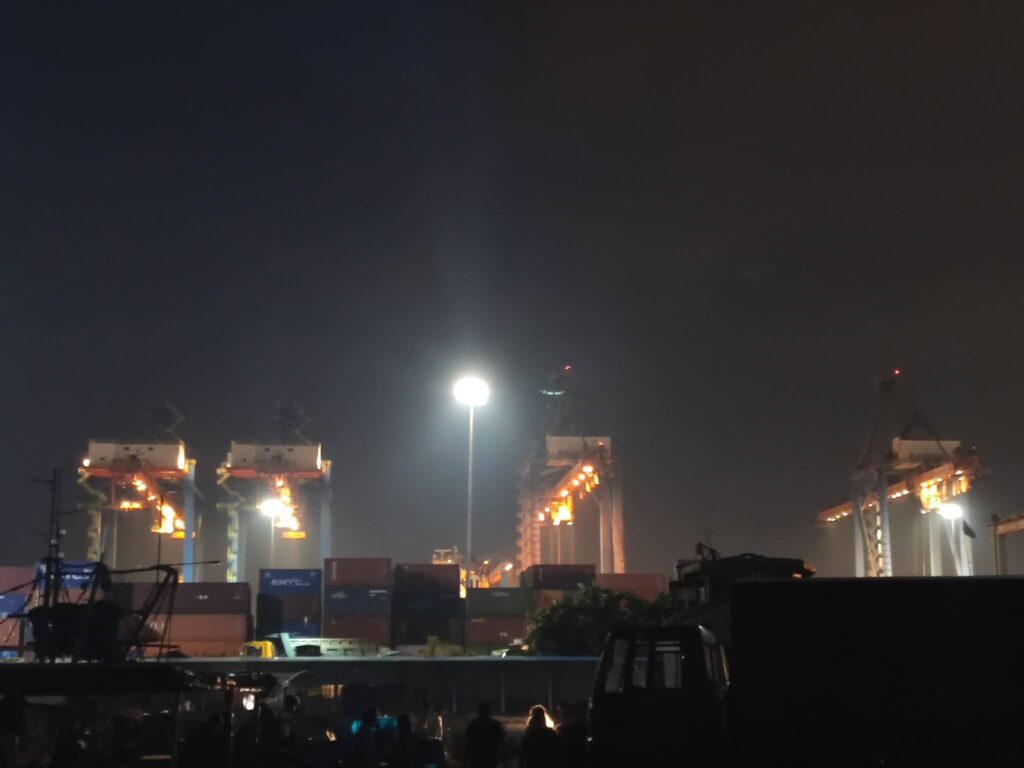
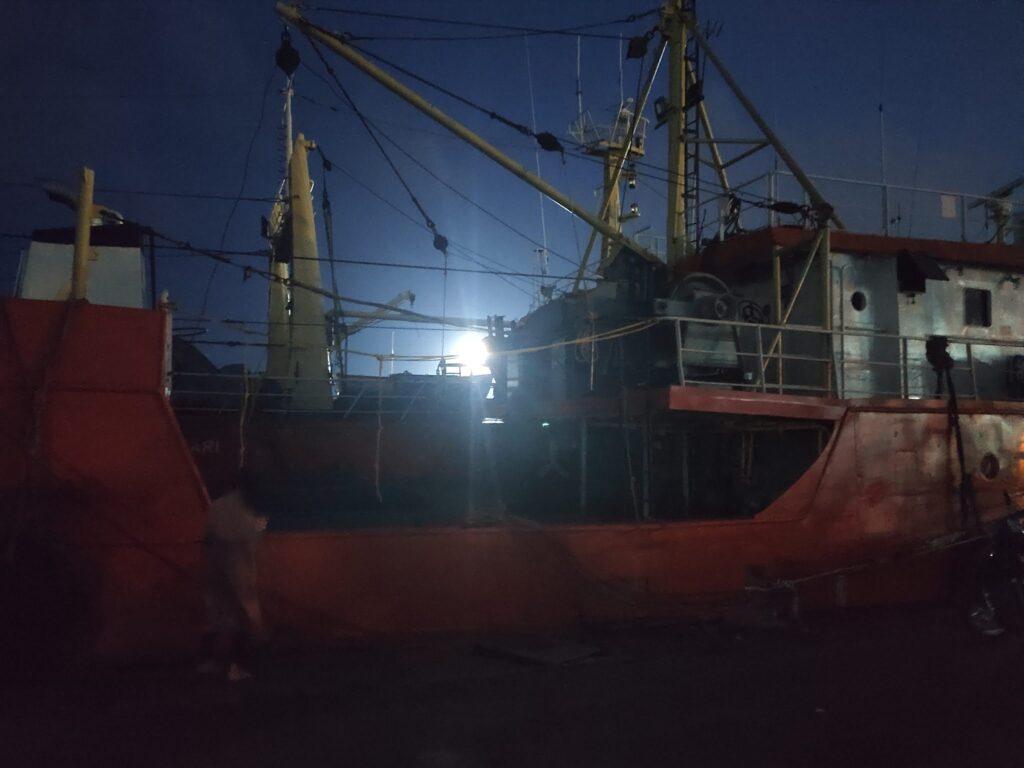
We started back to the city to get a view of the fishing harbour but it’s already too dark and we couldn’t see much and finally ended our trip by spending some time in RK beach.